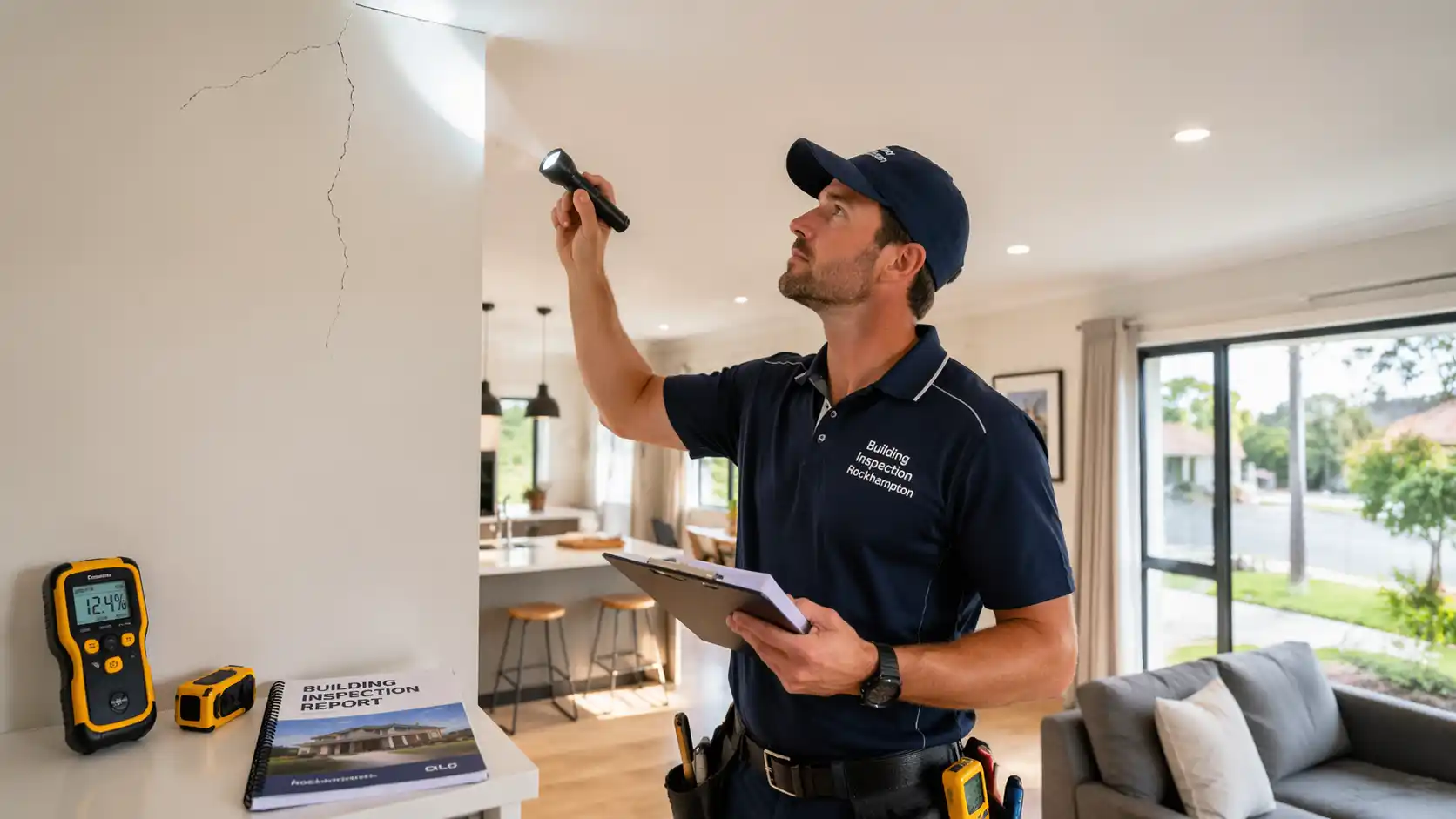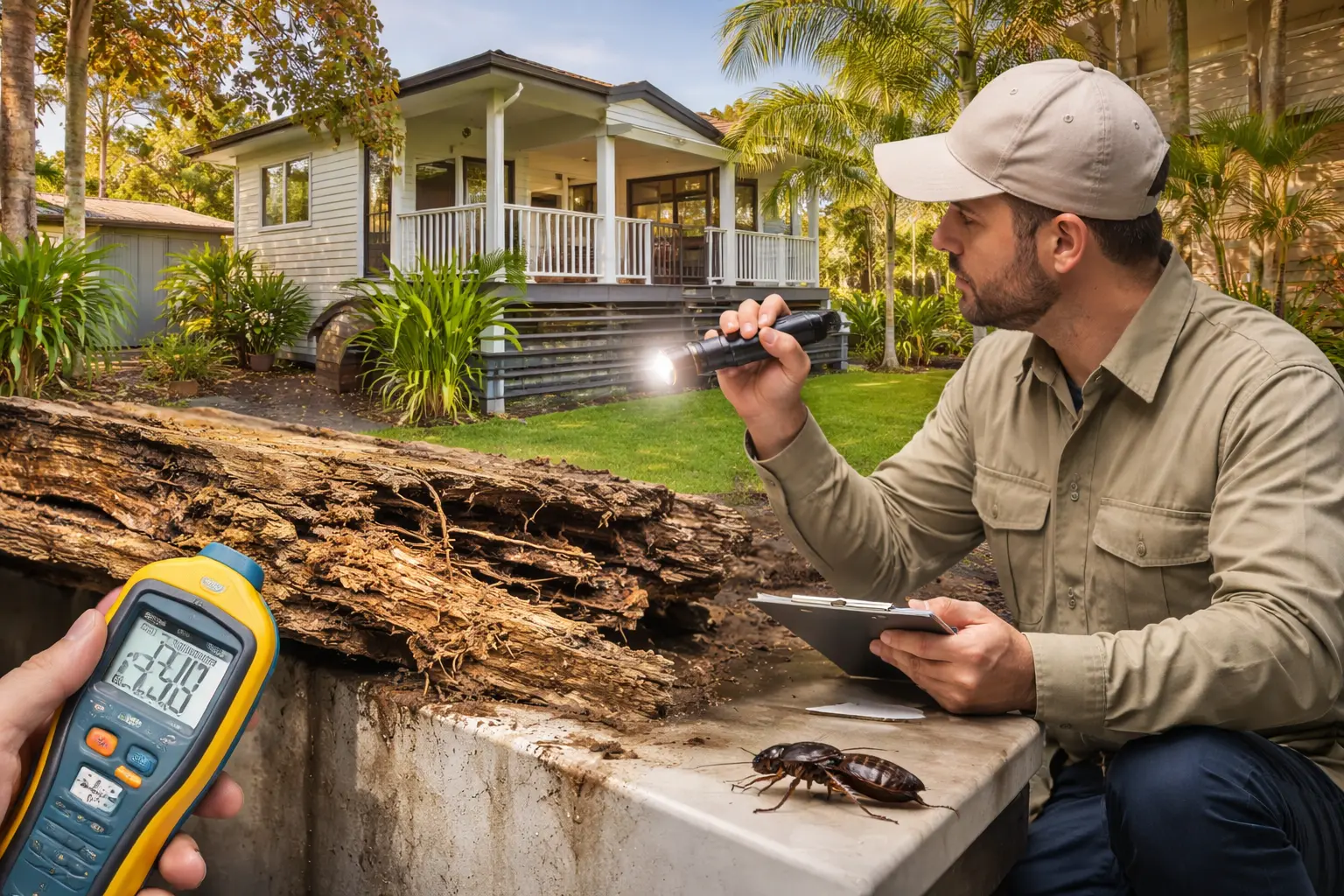
Introduction: The Hidden Battle Beneath Your Floorboards
Let’s be honest—owning a home in Rockhampton isn’t pretty much absorbing that Queensland sunshine or web hosting laid-again weekend barbies. There’s a quieter, much less glamorous facet to it. one which creeps, crawls, and occasionally chews its manner through your largest investment. I’m talking about pests—and extra importantly, the risks you might not even realize exist until it’s too late.
A Pest Inspection isn’t just a container to tick before buying a house. It’s your early caution device, your silent protector. But right here’s the twist—many owners unknowingly face critical risks even when they assume they’re doing the whole lot proper. From omitted access points to climate-driven infestations, Rockhampton’s precise environment creates the right typhoon for pest problems.
So permit’s ruin it. now not in a dry, textbook way—but in a real, relatable, “this can happen to you” kind of manner.
Why Pest Inspection in Rockhampton Isn’t Optional
Rockhampton’s warm, humid weather is basically a 5-big name hotel for pests. Termites, ants, cockroaches—they’re not occasional traffic; they’re lengthy-time period tenants in case you allow them to be. A proper Pest Inspection helps pick out those threats early, however skipping or delaying it could open the door to high priced consequences.
consider it like ignoring a peculiar noise for your vehicle. in the beginning, it’s nothing. Then all at once, you’re stranded on the dual carriageway with a big repair bill. That’s exactly how pest issues amplify. What starts off as a minor nuisance can quickly grow to be structural damage, health risks, and extreme economic pressure.
The Biggest Pest Inspection Risks Homeowners Overlook
Let’s get real—most people don’t think about pests until they see one. By then, the problem is already established. Here are some of the most common risks tied to poor or neglected Pest Inspection practices:
- Hidden termite colonies silently eating away at timber structures
- Moisture build-up creating ideal breeding conditions
- Blocked or inaccessible inspection areas like subfloors or roof voids
- DIY inspections missing critical signs professionals would catch
- Delayed inspections allowing infestations to spread
Each of these risks doesn’t just exist in isolation. They compound. A little moisture leads to termites. Termites lead to structural damage. And suddenly, your dream home starts feeling like a liability.
How to Prepare Your Home for a Pest Inspection
Reserving a Pest Inspection is one thing—getting the maximum out of it’s far another. A little prep on your cease could make a massive distinction in how thorough and powerful the inspection turns out. Think about it like going for a fitness test-up. The clearer the access, the higher the diagnosis.
In Rockhampton homes, certain areas are frequently blocked or disregarded—subfloors packed with storage, overgrown gardens hugging exterior walls, or cluttered roof spaces. These small matters can restrict what an inspector can virtually see, and regrettably, pests love hiding in exactly those spots.
if you want your Pest Inspection to be sharp, accurate, and worth every minute, right here’s how you can set the level nicely:
- Clear access to subfloor areas, roof voids, and garage walls
- Move stored items away from walls to expose hidden zones
- Trim vegetation and remove debris around the home’s perimeter
- Fix minor leaks or drainage issues before inspection day
- Ensure pets are secured to allow uninterrupted inspection
This isn’t about making your home look perfect—it’s about making sure nothing important is hidden. Because the more visible your home is, the less chance pests have to stay invisible.
Common Pest Entry Points Found During Inspections
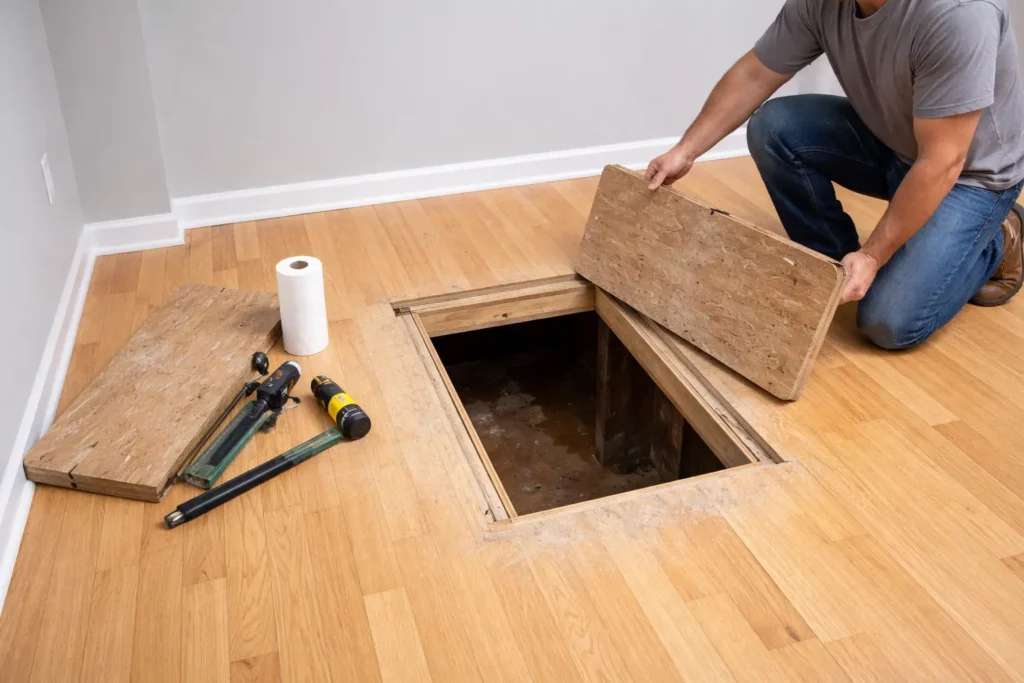
One of the most eye-opening parts of a professional Pest Inspection is discovering just how pests get in. Spoiler alert—it’s rarely obvious. These entry points are often small, subtle, and easy to ignore during day-to-day life.
In Rockham day homes, inspecday-to-dayrs regularly find gaps round plumbing traces, cracks in outside partitions, poorly sealed home windows, or even tiny openings near the roofline. To you, it might appear like everyday normal wear and tear. To pests, it’s a welcome mat.
Here’s a quick breakdown of where problems usually start:
| Entry Point | Why It’s Risky | What Inspectors Look For |
|---|---|---|
| Wall Cracks | Easy access for insects | Structural gaps and expansion lines |
| Roof Voids | Warm, hidden nesting areas | Signs of movement or droppings |
| Subfloor Gaps | Moisture + darkness | Termite activity and mud tubes |
| Plumbing Openings | Direct indoor access | Unsealed pipe entries |
| Window & Door Frames | Frequent movement weakens seals | Gaps and worn weather stripping |
What makes a Pest Inspection so valuable is that it connects these small details into a bigger picture. It’s not just about spotting a crack—it’s about understanding what that crack could lead to.
What Happens After a Pest Inspection?
Quite a few owners expect the inspection is the stop of the manner—however truely, it’s the start of smarter home care. As soon as your Pest Inspection is complete, you’ll obtain a detailed report outlining findings, danger areas, and recommended actions.
This file isn’t just technical jargon—it’s a roadmap. It tells you what’s happening now, what could occur subsequently, and what steps you may take to live ahead of it. Whether or not it’s minor preventive measures or centered remedies, the aim is usually the identical: lessen danger and defend your home.
The important thing right here is motion. An inspection without follow-up is like getting a diagnosis and ignoring it. The actual fee comes from the use of that perception to make informed decisions.
Termite Damage: The Silent Property Destroyer
If pests had a “most wanted” listing in Rockhampton, termites might be on the pinnacle. They’re quiet, continual, and extraordinarily adverse. The horrifying component? You regularly receive’t observe them until massive damage has already been completed.
an intensive Pest Inspection can stumble on early signs like hollow wooden, dust tubes, or subtle structural modifications. Without it, termites can compromise partitions, floors, or even the foundation. And not like a burst pipe or typhoon damage, termite destruction isn’t continually included by means of coverage.
It’s like having a person slowly dismantle your property from the inside—without making a valid claim.
Moisture: The Unseen Trigger Behind Infestations
Here’s something most homeowners underestimate—moisture. It’s not just about damp smells or mould. It’s a magnet for pests. In Rockhampton, where humidity levels can spike, moisture becomes a serious risk factor.
A proper Pest Inspection doesn’t just look for bugs. It identifies conditions that attract them. Leaky pipes, poor ventilation, or even blocked gutters can create the perfect environment for infestations.
If you’re curious about how moisture impacts building safety, this Australian government guide on managing moisture in buildings offers valuable insights.
DIY Pest Inspection vs Professional Pest Inspection
Let’s address the elephant in the room—DIY inspections. Sure, they seem cost-effective. You grab a torch, poke around, maybe Google a few things. But here’s the truth: they’re rarely enough.
A professional Pest Inspection goes beyond surface-level checks. Experts use specialised tools, experience, and trained eyes to detect subtle warning signs. They know where to look and what to look for.
| Aspect | DIY Inspection | Professional Pest Inspection |
| Accuracy | Low to moderate | High precision |
| Tools Used | Basic | Advanced equipment |
| Risk Detection | Limited | Comprehensive |
| Long-term Value | Uncertain | Reliable protection |
In short, DIY might save you a few dollars today—but a professional inspection could save you thousands tomorrow.
Climate Risks Unique to Rockhampton Homes
Rockhampton’s weather isn’t simply warm—it’s unpredictable. Heavy rains accompanied by severe heat create the best breeding cycle for pests. This environmental sample makes everyday Pest Inspection even extra crucial.
During moist seasons, soil moisture increases, attracting termites toward your house. Then comes the heat, accelerating their hobby. It’s a cycle that repeats—and in case you’re not prepared, it is able to seize you off guard.
knowledge of this climate-pest relationship is key. It’s now not about reacting—it’s about staying in advance.
Structural Risks That Start Small but Grow Fast
Certainly one of the most important misconceptions approximately pests is that harm is constantly apparent. In truth, it frequently begins small—tiny cracks, minor timber harm, barely considerable changes. But without a proper Pest Inspection, these problems can snowball.
over time, weakened systems can lead to sagging flooring, cracked partitions, and compromised protection. It’s not just about aesthetics—it’s approximately the integrity of your property.
consider it like a slow leak in a dam. forget about it lengthy enough, and the complete structure is at risk.
Health Risks Linked to Pest Infestations
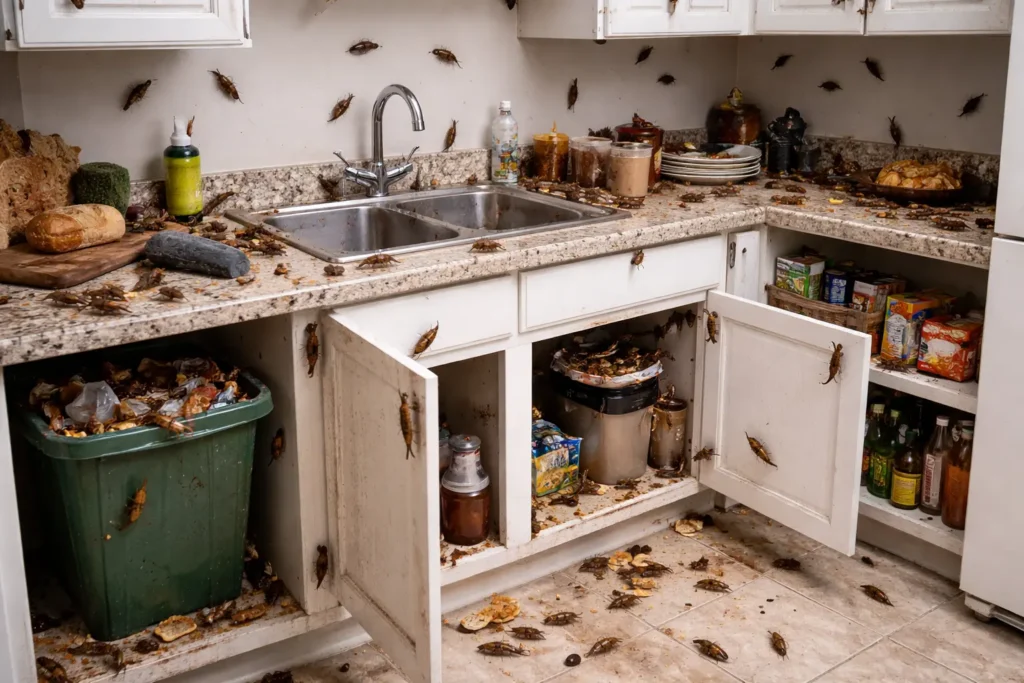
Pests don’t just damage property—they can affect your health too. Cockroaches, rodents, and other infestations can trigger allergies, asthma, and even spread bacteria.
A regular Pest Inspection helps identify these risks before they impact your living environment. Clean, pest-free homes aren’t just more comfortable—they’re safer.
When Should You Schedule a Pest Inspection?
Timing matters more than you think. Many homeowners wait until there’s a visible problem. That’s like going to the doctor only when you’re seriously ill.
Ideally, you should schedule a Pest Inspection:
- Before buying or selling a property
- Annually as part of routine maintenance
- After heavy rains or seasonal changes
- When you notice early warning signs
Being proactive isn’t just smart—it’s essential.
Conclusion: Protect Your Home Before It’s Too Late
At the end of the day, a Pest Inspection isn’t pretty much finding bugs—it’s about protecting your own home, your fitness, and your financial future. In Rockhampton, where weather and situations create constant pest dangers, staying proactive isn’t non-compulsory—it’s essential. From hidden termite harm to moisture-driven infestations, the dangers are actual, however they’re additionally preventable with the right method.
If you’re serious about safeguarding your property, now’s the time to act. At C&W Services, we bring experience, precision, and local expertise to every inspection. Don’t wait for the damage to show—get ahead of it. Contact C&W Services today and book your professional pest inspection with confidence.
FAQs About Pest Inspection in Rockhampton
1. What is a pest inspection and why is it important?
A pest inspection is a detailed assessment of your property to identify pest activity and risk factors. It’s important because it helps detect problems early, preventing costly damage and ensuring your home remains safe and structurally sound.
2. How often should I get a pest inspection in Rockhampton?
In Rockhampton’s climate, it’s recommended to have a pest inspection at least once a year. However, more frequent checks may be needed if your property is prone to moisture or previous infestations.
3. Can I rely on DIY pest inspections?
While DIY checks can help spot obvious issues, they often miss hidden risks. A professional pest inspection provides a thorough and accurate assessment that DIY methods simply can’t match.
4. Are termite inspections included in pest inspections?
Yes, most pest inspections include termite checks, as they are one of the most destructive pests in Rockhampton. Always confirm with your provider to ensure comprehensive coverage.
5. What happens if pests are found during an inspection?
If pests are detected, the inspector will recommend treatment options and preventive measures. Acting quickly can minimise damage and reduce long-term costs.