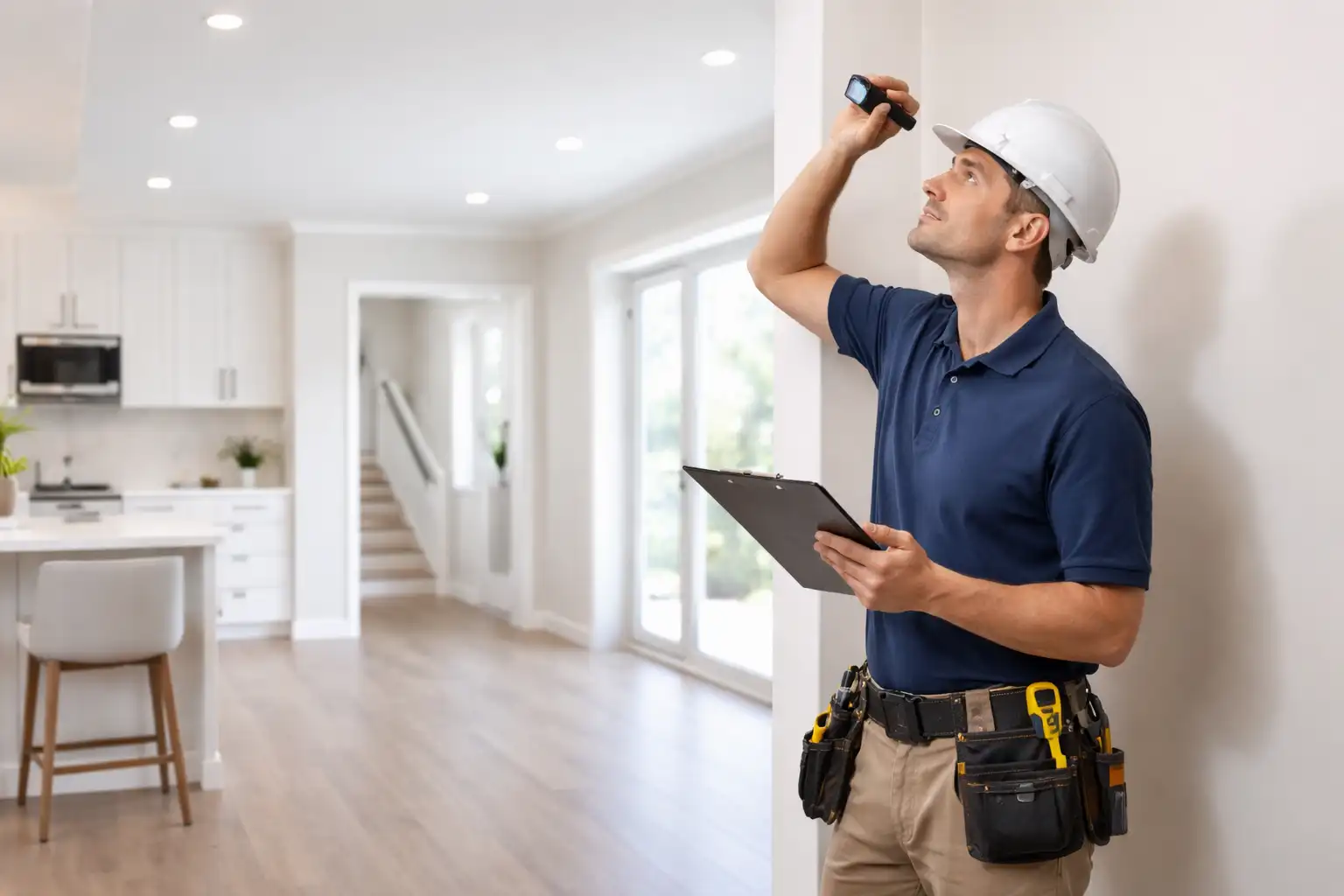
A brand-new place usually looks perfect the second you walk in. The paint is fresh, the finishes are sharp, and it feels like you’re set for years. But the truth is, hidden problems often sit right under that shiny surface. Getting a New House Inspection is the only real way to catch those invisible risks before they cause trouble. It brings clarity, confidence, and long-term security.
In growing regions like Rockhampton, construction activity continues to rise. As a result, demand for new house property inspections has increased. Buyers now expect more than visual appeal. They want structural integrity and safety assurance. Therefore, relying on a licensed building inspector becomes essential.
Modern residential building inspections focus on deeper analysis rather than surface-level checks. Certified building inspectors go through every little detail with a fine-tooth comb. This whole process is about making sure safety standards are actually met. At the end of the day, a New House Inspection stops expensive surprises and gives you real peace of mind for the future.
Hidden Defects That Escape the Naked Eye
Even a brand-new build can have defects tucked away. Builders are almost always rushing to hit a deadline, so small mistakes easily get missed during the madness of construction. A solid New House Inspection finds these glitches before they turn into major headaches.
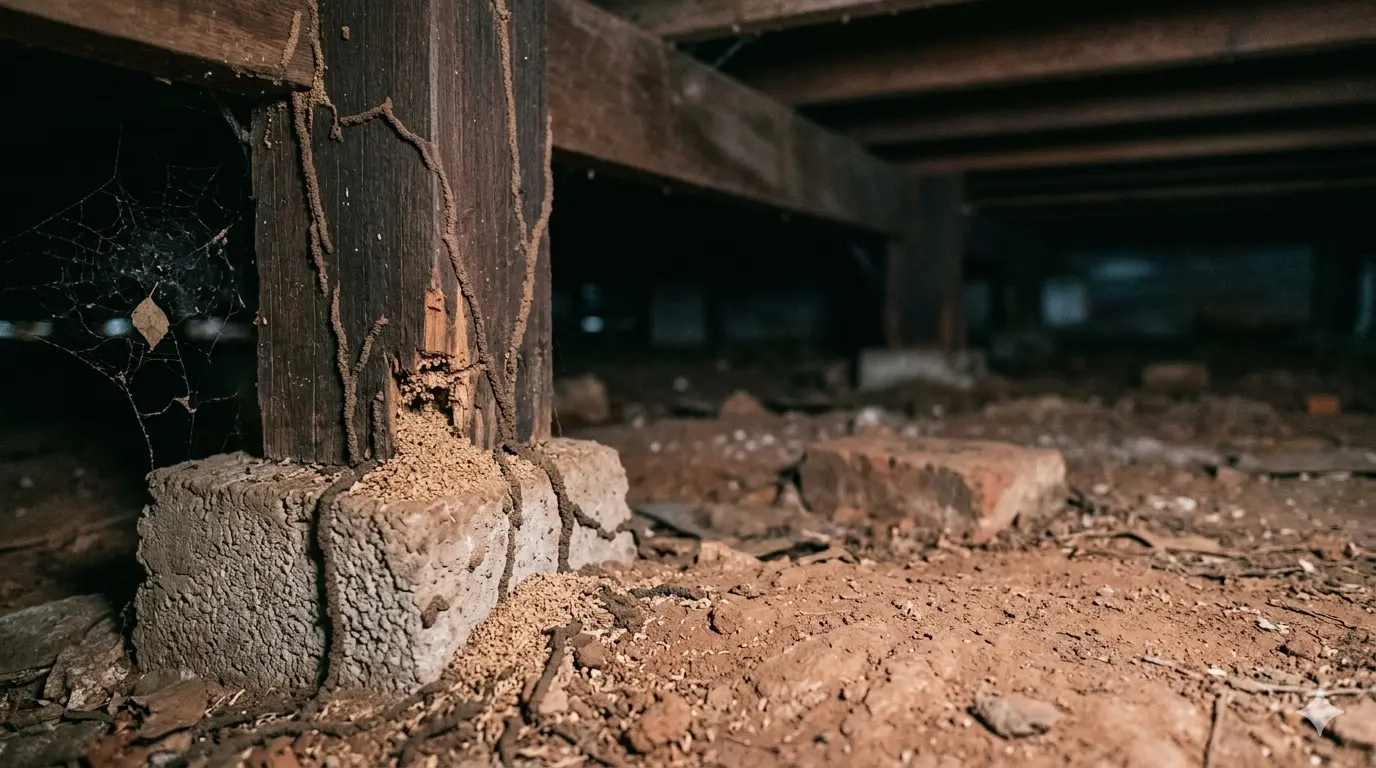
Things like weak structures, bad drainage, or dodgy wiring aren’t exactly obvious to the naked eye. A house structure inspection is designed to dig up those specific concerns. Plus, a safety home inspection will spot any spots where the builder missed the mark on compliance.
Common hidden issues include:
- Poor foundation alignment
- Roofing defects
- Plumbing leaks behind walls
- Electrical inconsistencies
Certified house inspectors follow systematic procedures. As a result, nothing gets overlooked. This ensures that the property remains safe from long-term damage.
Ensuring Structural Integrity for Long-Term Stability
How well a building is put together decides how long it’s going to last. If you skip the checks, a tiny issue can spiral into a disaster. This is why a New House Inspection is so vital if you want a house that’s actually stable for the long haul.
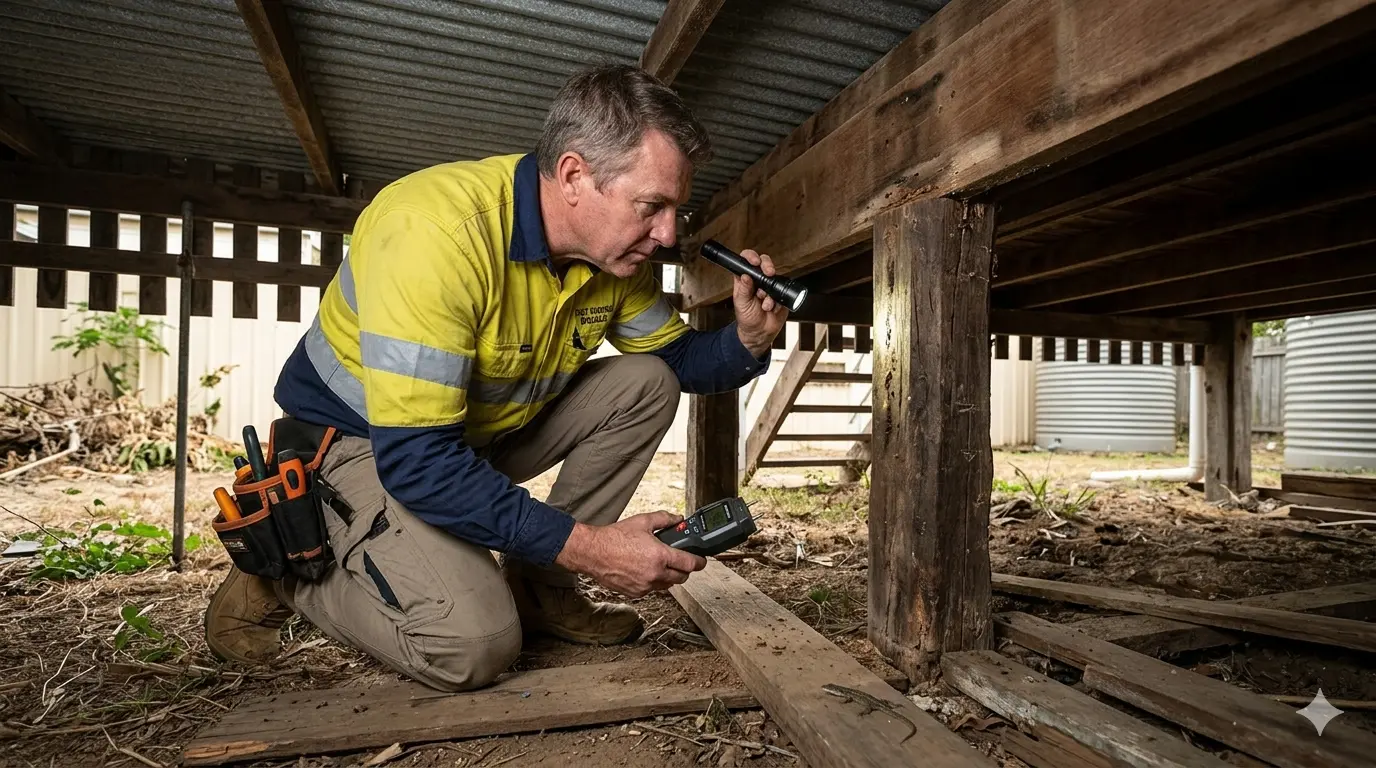
A proper house structure inspection looks at the parts of the house that do the heavy lifting. We’re talking foundations, beams, and columns. This check makes sure the building can actually handle the pressure of the environment.
Key Structural Areas Checked
| Component | Purpose | Risk if Ignored |
|---|---|---|
| Foundation | Supports the entire structure | Cracks, instability |
| Roof Framework | Protects from the weather | Leakage, collapse |
| Walls & Columns | Maintains load distribution | Structural failure |
| Flooring System | Ensures stability | Uneven surfaces |
Certified Home Inspections stick to a very specific set of rules, which is the best way to keep your long-term safety protected.
Safety Compliance and Legal Protection
Every new home must meet safety standards. However, compliance gaps often occur. A New House Inspection ensures that regulations are followed properly.
Certified building inspectors verify adherence to building codes. Electrical systems, fire safety measures, and ventilation are evaluated in detail. This step prevents legal complications later.
Also, getting property inspections gives you solid proof on paper. That report is a lifesaver if you ever need to sell the place or settle a builder dispute.
Financial Protection and Cost Savings
Unexpected repairs can drain finances quickly. Therefore, a New House Inspection acts as a financial safeguard. It identifies problems early when fixes cost less.
If you ignore the need for a check-up, you’re just inviting massive repair bills later. Structural rot, plumbing leaks, or electrical fire risks can get out of hand in no time. However, early detection minimizes expenses.
Cost Comparison
| Scenario | Estimated Cost Impact |
|---|---|
| Early Inspection Fix | Low |
| Post-Occupancy Repairs | High |
| Structural Failure | Very High |
New home inspection processes help avoid unnecessary spending. As a result, investment remains protected.
Enhancing Property Value and Market Confidence
A home that’s been properly checked out is much easier for the market to trust. Buyers always go for the house that comes with a verified report. Therefore, a New House Inspection improves resale value.
Having a certified house inspector sign off on a report adds a ton of credibility. People feel much more confident when property inspections, including a New House Inspection, prove the quality is actually there. Additionally, it strengthens negotiation power.
Modern buyers seek transparency. Hence, Certified Home Inspections become a strong selling point. A properly inspected property stands out in competitive markets.
Role of Certified Inspectors in Quality Assurance
Professional expertise matters significantly in inspections. Certified building inspectors bring technical knowledge and precision. Their assessments go beyond basic observation, especially during a New House Inspection.
A licensed building inspector follows standardized procedures. Every element gets evaluated systematically during a New House Inspection. This ensures accuracy and reliability.
Residential building inspections conducted by professionals provide detailed reports. These reports flag the risks, give you a list of fixes, and tell you exactly where you stand with compliance. It makes making a decision about the house a lot easier.
Impact of Climate Conditions on New House Inspection
The weather is a huge factor in how well a house holds up. In places with tons of humidity and heat, you’ll see structural wear and tear show up a lot faster. Therefore, a New House Inspection must consider environmental exposure. Moisture intrusion, thermal expansion, and roofing stress often appear early.
New house property inspections evaluate how materials respond to local climate conditions. A safety home inspection also checks ventilation and insulation efficiency. These factors directly influence long-term comfort and durability.
Residential building inspections highlight risks linked to weather patterns. Certified building inspectors ensure that materials meet regional standards. As a result, the property remains resilient over time. Ignoring climate factors can significantly reduce lifespan and increase maintenance costs.
Technology Advancements in Modern Property Inspections
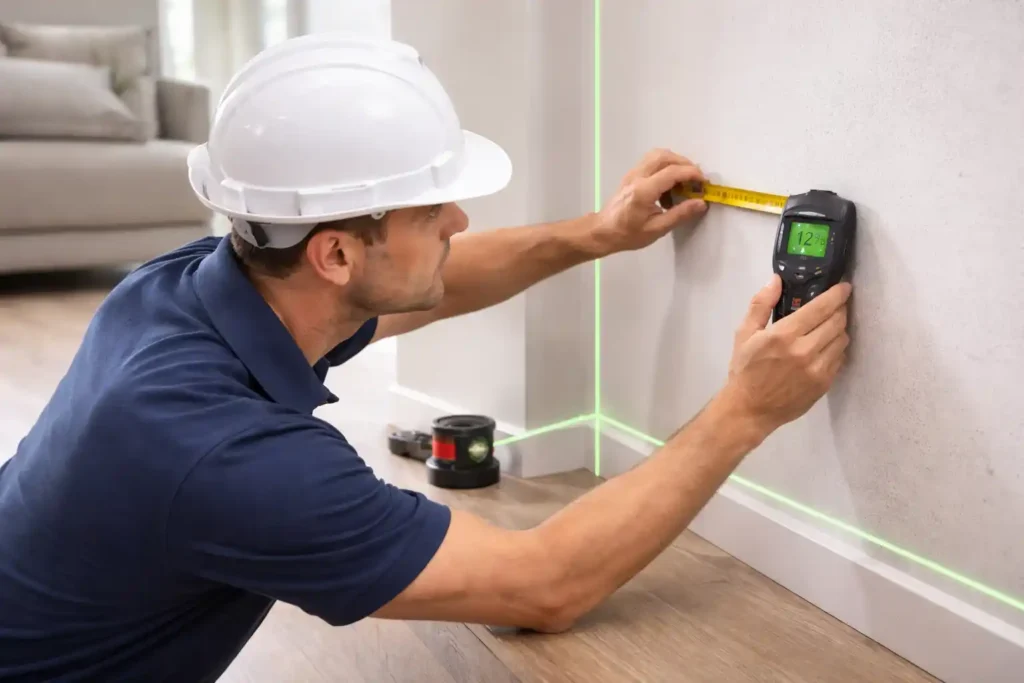
The way we do inspections has changed a lot thanks to better tech. These days, a New House Inspection uses high-end gear like thermal cameras and moisture meters to really see what’s going on. It just makes the reports much more accurate.
New home inspection processes now rely on data-driven insights. Certified Home Inspections uses technology to quickly detect hidden defects. This enhances precision and reduces human error.
A licensed building inspector can now find problems without having to tear holes in your walls. This makes property inspections much faster and a lot more reliable. Additionally, digital reports provide clear documentation for future reference.
Residential building inspections benefit greatly from these innovations. Certified house inspectors deliver detailed findings with visual proof. Consequently, inspection quality continues to improve.
Common Mistakes to Avoid During a New Home Inspection
Many property buyers overlook critical inspection steps. If you skip out on a New House Inspection, you’re usually just delaying a nasty surprise. That’s why you’ve got to avoid the usual mistakes from the start.
Just trusting your eyes is a huge risk. A real house structure inspection needs a pro who knows what to look for. Hiring a certified house inspector is the only way to be sure nothing was missed. Another big blunder is ignoring the small stuff; a tiny defect can easily grow into a massive repair bill over time. Safety home inspection processes help identify such risks early.
Choosing unqualified inspectors also reduces reliability. Certified building inspectors stick to the industry rules to give you a report you can actually trust. You really need an expert to handle residential building inspections if you want it done right. This approach ensures long-term safety and investment protection.
How Timing Influences the Effectiveness of a New House Inspection
When you do the check matters just as much as the check itself. A New House Inspection done at the right time gives you much better info to work with. Doing it before you get the keys means the builder has to fix things before you even move in. This reduces future inconvenience and repair costs.
New house property inspections should occur before final payments. This is how you hold the builder’s feet to the fire. A new home inspection at this stage will flag any unfinished work or hidden defects that shouldn’t be there.
Safety home inspection processes also benefit from early scheduling. Certified building inspectors can assess systems before they are fully covered. Residential building inspections are more effective when timed properly.
A licensed building inspector ensures that every detail is clearly documented. Consequently, Certified Home Inspections deliver stronger value when scheduled strategically.
Conclusion
Getting a New House Inspection is a massive step for your long-term safety. it finds the hidden junk, checks the rules, and protects your wallet. On top of that, it bumps up the house value and makes any buyer feel a lot better.
Skipping this process can lead to serious consequences. Structural issues, safety risks, and financial losses may arise unexpectedly. However, certified inspections eliminate such uncertainties.
Taking proactive action ensures peace of mind. Get a quote today and make sure every single detail hits the safety marks. Reach out to a certified inspector now and lock in a safe future with some real confidence.
Frequently Asked Questions
1. What is a New House Inspection?
A New House Inspection is basically a full check-up for a brand-new home to find defects, safety risks, and code violations. It’s about making sure the building is solid before you move your family in.
2. Why are new house property inspections important?
New house property inspections detect construction flaws early. They prevent costly repairs, ensure safety compliance, and improve long-term property reliability.
3. Who conducts a new home inspection?
A licensed building inspector or certified house inspector conducts the inspection. They follow professional standards and provide detailed reports.
4. What does a safety home inspection include?
A safety home inspection goes over the wiring, pipes, roof, and the main structure. It’s there to ensure the whole place actually follows the safety laws.
5. How do Certified Home Inspections help buyers?
Certified Home Inspections provide reliable reports. They give buyers peace of mind, help out when you’re negotiating the price, and keep your investment safe.