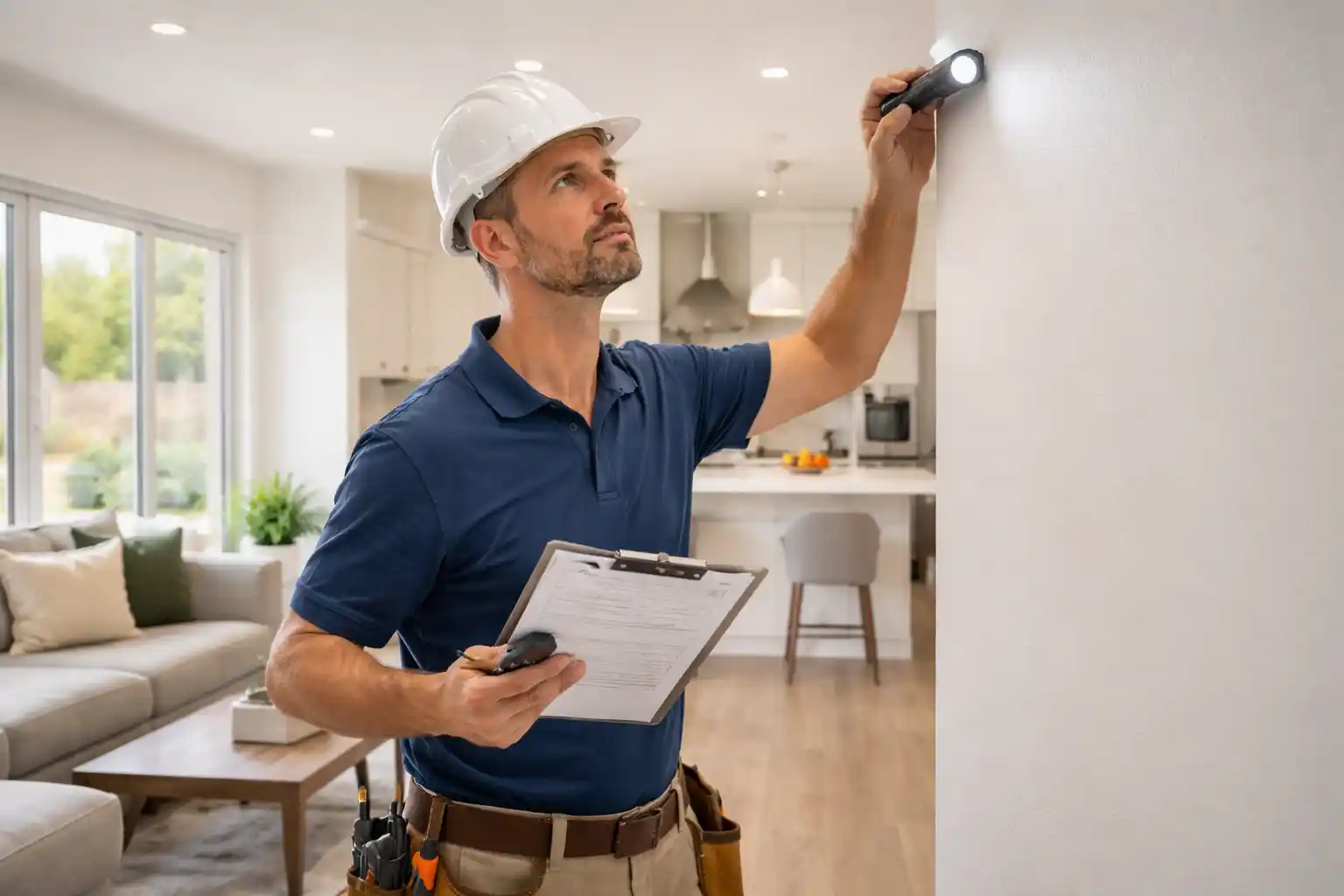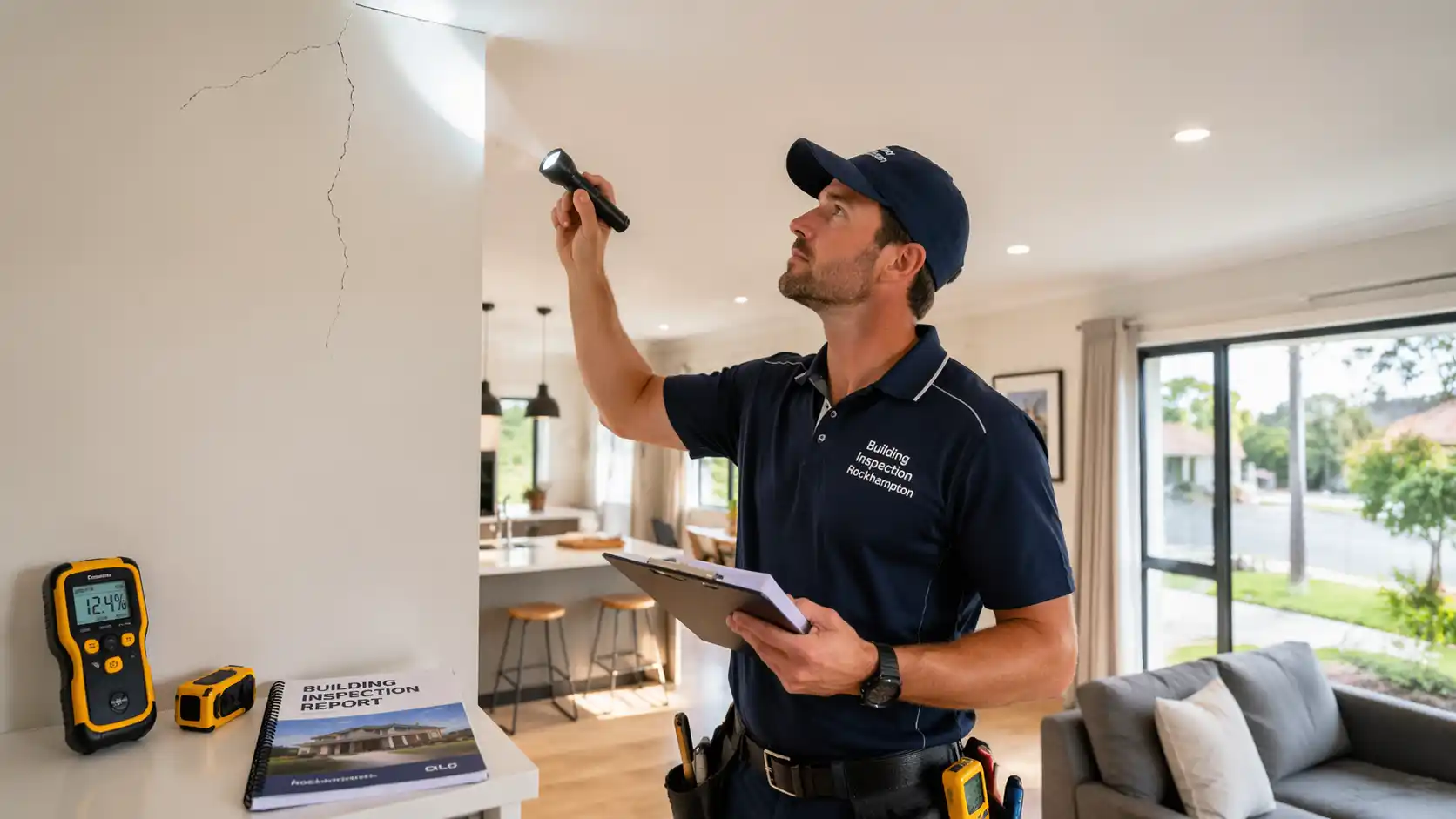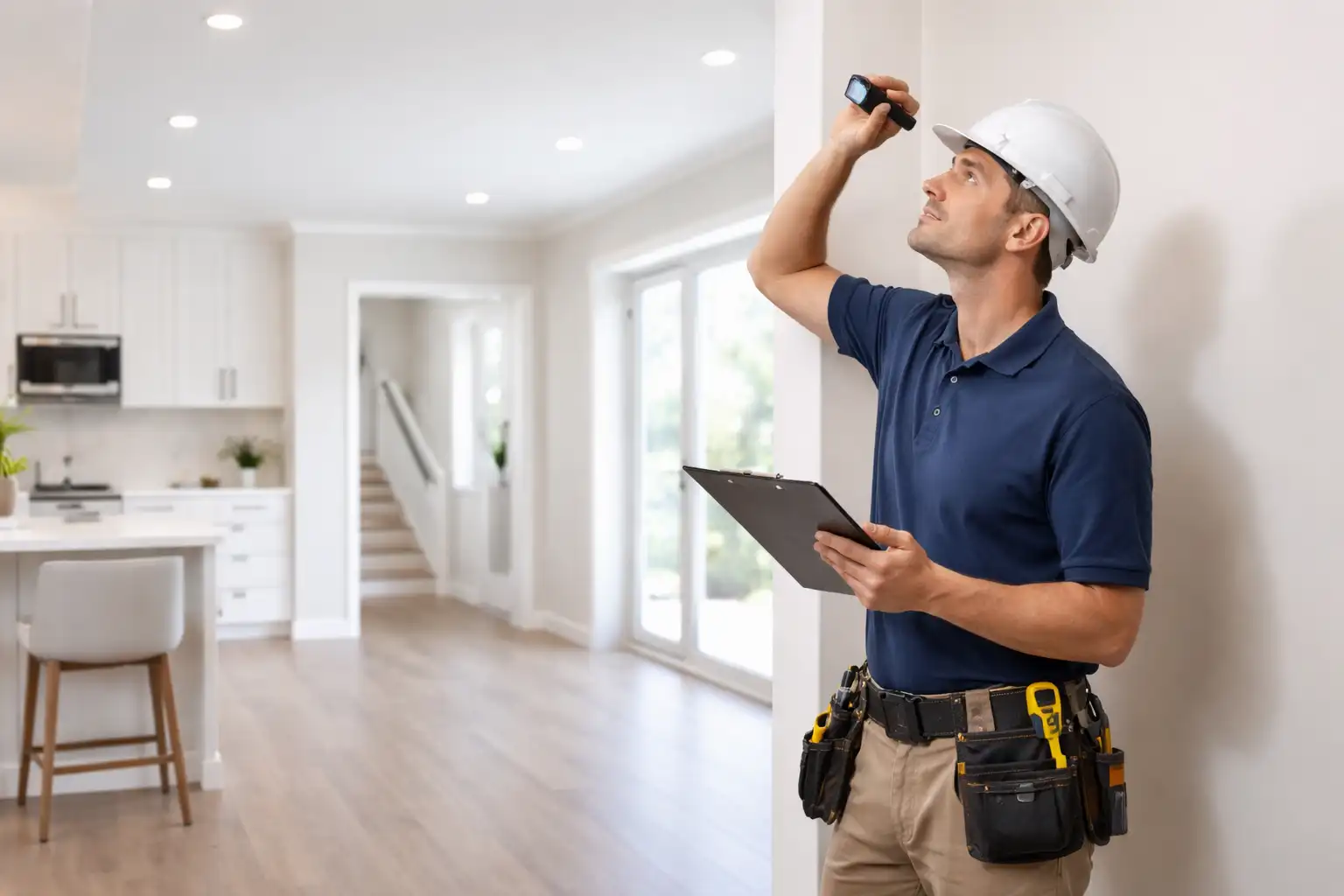
A brand-new home often looks perfect at first glance, but beneath the fresh paint and crisp finishes, tiny issues can hide that a casual walkthrough won’t catch. While the off-the-shelf feel gives you immediate confidence, looking closer usually reveals details that need a professional eye.
Let’s face it: building timelines is tighter than they’ve ever been. Builders are juggling a dozen projects at once, and sometimes deadlines get prioritized over precision. That’s why New Home Property Inspections aren’t a luxury; they’re a must. Even the best crews can miss small details that eventually turn into expensive headaches.
A licensed building inspector walks onto a property with an eye for things most people would just walk right past. A slight bow in a wall, a bit of uneven flooring, or a tiny error in the roofing might seem minor today, but they can tell a much bigger story about the build quality, which is why professional New Home Property Inspections are so critical before finalizing a purchase.
Buyers today are much more savvy. There’s a real understanding now that property inspections aren’t just for 50-year-old weatherboards. Even a brand-new build needs a professional set of eyes. After all, this isn’t just a house; it’s your biggest investment and the foundation of your lifestyle.
Why new builds still carry hidden risks today
There’s a tendency to trust the system a bit too much. Building codes exist, certifiers sign off, and everything looks official. But walking through sites over the years reveals a pattern: that compliance doesn’t always equal quality. A wall can meet code and still be slightly off, just enough to cause cracking months later.
In Rockhampton’s expanding estates, it’s not uncommon to see multiple trades working over each other. One crew finishes framing, and another starts electrical, and suddenly, small inconsistencies stack up. No one notices in isolation. But collectively, they become the kind of issues New Home Property Inspections regularly uncover.
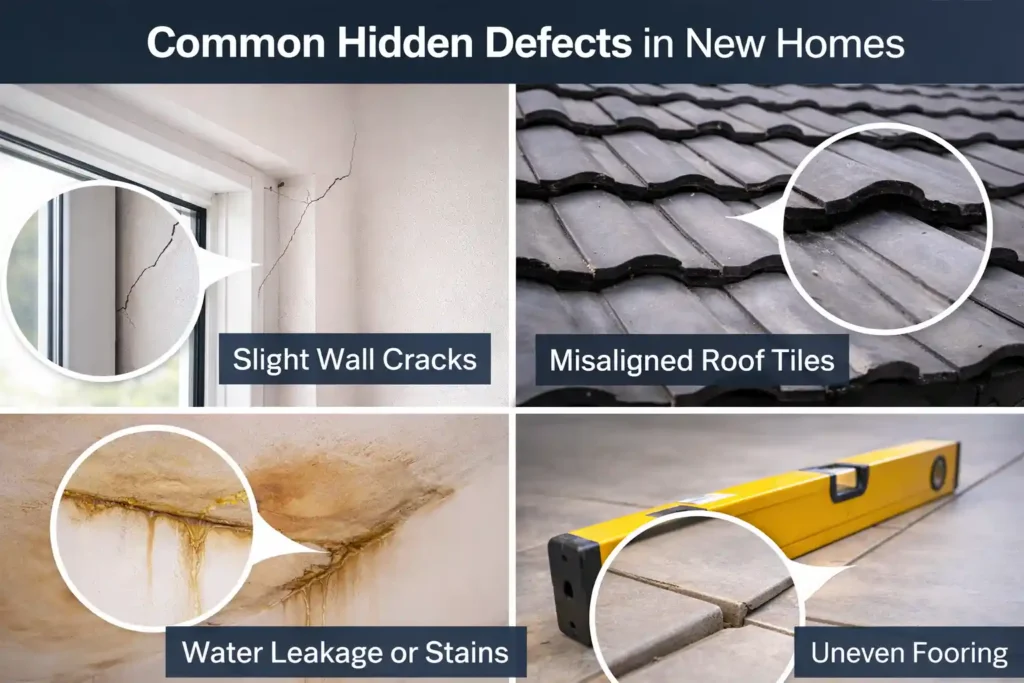
A lot of homeowners assume defects will be obvious. They’re expecting dramatic faults. The reality is more subtle. Slight drainage slopes, marginal waterproofing gaps, or poorly aligned roofing can quietly evolve into larger problems. These are not dramatic failures at handover; they’re slow burns.
Common construction shortcuts are often seen on-site
Shortcuts aren’t always intentional. Sometimes they’re just the result of tight deadlines and coordination gaps. One common issue involves incomplete sealing in wet areas. It passes a quick glance but fails under consistent use. That’s something experienced inspectors tend to pick up early.
Another frequent observation during residential building inspections involves roofing. Tiles may be installed correctly in most areas but slightly misaligned in sections where visibility is low. Over time, those areas become entry points for moisture; it’s not dramatic on day one, but six months later, it’s a different story.
Then there’s the issue of material handling. Products left exposed to the weather before installation can degrade subtly, and by the time they’re fitted, the damage isn’t obvious. Professional new home property inspections often reveal these quiet compromises that don’t show up in standard walkthroughs.
What inspectors actually look beyond the surface level
A good inspector doesn’t get distracted by a presentation. Clean finishes can mask deeper inconsistencies. The focus tends to shift quickly toward alignment, levels, and how different elements interact. Doors that don’t quite sit right often hint at larger framing inconsistencies.
There’s also a strong emphasis on moisture detection, as a certified house inspector knows that in coastal areas like Coffs Harbour, even minor waterproofing flaws can escalate quickly. Inspectors use tools and experience to spot early signs that most buyers wouldn’t even think to check.
Electrical and plumbing systems get similar scrutiny, focusing not just on whether they work but also on whether they’ve been installed with longevity in mind. Comprehensive new home property inspections often uncover installations that function fine now but are poorly positioned for long-term durability.
New Home Property Inspections and Risk Reduction
The biggest value isn’t just identifying defects; it’s timing. Catching issues before settlement shifts responsibility back to the builder. That alone can save thousands. After the settlement, the dynamic changes, and things get harder to resolve.
There’s also a psychological shift that happens. Having a detailed report in hand removes uncertainty. Instead of wondering whether something feels off, there’s clarity. That clarity tends to influence negotiation, timelines, and even future maintenance planning.
Interestingly, some buyers skip new home property inspections, thinking they’re unnecessary for new builds. That decision often comes down to budget. But the cost of inspection is usually minor compared to fixing structural or waterproofing issues later.
Structural issues that rarely show early signs
Structural problems are rarely obvious at handover; everything is still settling, and surfaces look clean. However, New Home Property Inspections can identify small misalignments in foundations or framing that might otherwise take months to reveal themselves through cracks or movement.
In areas with reactive soil, like parts of Rockhampton, where sticking to building inspection standards and guidelines is vital, these issues can become more pronounced. Slight deviations during construction get amplified over time. By the time visible signs appear, repairs are no longer simple fixes.
That’s why professional new home property inspections place so much emphasis on structural alignment early. It’s not about finding dramatic faults; it’s about identifying conditions that could lead to them. That distinction matters more than most people realize.
With vs Without Inspection
| Scenario | With Inspection | Without Inspection |
|---|---|---|
| Defect identification | Early and detailed | Often missed |
| Repair responsibility | Builder accountable | The owner bears the cost. |
| Peace of mind | High | Uncertain |
| Long-term cost | Lower | Potentially high |
Cost consequences of skipping inspections early
Skipping inspections often feels like saving money in the short term. But the math rarely works out that way. Minor issues left unaddressed tend to compound. A small leak becomes internal damage. A slight slope issue becomes a drainage failure.
There’s also the cost of disruption. Fixing problems after moving in isn’t just about money; it’s about inconvenience. Living through repairs, coordinating trades, and dealing with warranty claims can quickly become exhausting.
Over time, the absence of new home property inspections tends to show up as a series of avoidable expenses. While these expenses may not be catastrophic all at once, they are persistent enough to make the initial savings seem insignificant.
Regional factors affecting homes in Rockhampton
Rockhampton’s climate introduces its set of challenges. Heat, humidity, and seasonal rain all interact with construction quality. Materials expand, contract, and absorb moisture differently than in cooler regions.
Drainage is a recurring theme. Slight grading issues that seem harmless during dry periods can become problematic during heavy rainfall. Water pooling near foundations is something inspectors frequently flag in the area.
Given our local conditions, New Home Property Inspections in Rockhampton have to focus heavily on things like moisture control and how well the structure handles the heat. What may be acceptable in other regions may not be suitable here.
What a Good Inspection Report Looks Like
A professional inspection report should be clear, detailed, and actionable.
Key elements include:
- High-resolution images of defects
- Clear descriptions of issues
- Severity ratings (minor, major, critical)
- Recommended fixes
A certified building inspector ensures that the report is easy to understand while still being technically accurate.
Choosing inspectors with real site experience matters
Not every inspector sees things the same way. The ones who actually have hands-on building experience tend to catch things others miss. They know how different trades work together and exactly where things are most likely to go wrong.
There’s a huge benefit to local knowledge, too. An inspector who is constantly working around Maclean or Coffs Harbour develops a gut feeling for local issues. That kind of insight is something you just can’t learn from a textbook.
When you hire someone for New Home Property Inspections who has seen both sides of the building and the inspecting, you get a much more practical report. It’s not just about filling out a form; it’s about comprehending what truly matters in the real world.
Why reports matter more than visual walkthroughs
A walkthrough can feel reassuring, but it’s often superficial. Without documentation, observations are easy to forget or misinterpret. A detailed report changes that dynamic completely.
Reports from New Home Property Inspections provide structure. They outline issues clearly, often with photographic evidence. That makes conversations with builders more precise and harder to dismiss.
There’s also a big long-term win here. Having a professional baseline helps you track how the house structure inspection settles over time. It turns that one-time check into a valuable reference point for any future maintenance you might need.
Conclusion
Think of New House Property Inspections as your silent safeguard. They dig up the hidden defects that are invisible to the naked eye. Especially in places like Rockhampton, Coffs or Maclean, where the environment is tough on buildings, these checks are absolutely critical.
A licensed building inspector gives you the clarity and confidence to move forward without worrying about nasty surprises. Skipping this step is just inviting unnecessary stress. Contact us today to book an inspection and make sure your new home is actually as solid as it looks.
Frequently Asked Questions
1. What do new home property inspections typically include?
These checks cover everything from the slab to the roof, including the plumbing, electrical, and overall finish. An inspector looks at the house now, but they’re also looking at how the house will hold up ten years down the track.
2. Are new home property inspections necessary for brand-new builds?
Definitely. The rapid building inspections. The construction of new builds often leads to minor hiccups. Doing property inspections early catches these issues before they have a chance to turn into massive, expensive dramas.
3. How much do new home property inspections cost in Australia?
Usually, you’re looking at anywhere from a few hundred to just over a thousand dollars. When you compare that to the cost of fixing a major structural fault later on, it’s a very small price to pay for peace of mind.
4. When is the best time to book New Home Property Inspections?
The best time to book your new home property inspections is right before settlement or even during the build stages. It gives you the leverage to make sure the builder fixes things before the keys change hands.
5. Can defects still appear after new home property inspections?
It’s true that some things only show up as the house settles, but a professional check massively cuts down your risk by spotting the warning signs that are already there.