There’s something quietly unsettling about mould. It doesn’t knock on the door or make a loud entrance. It creeps in. A faint smell. A tiny dark patch. Then suddenly, the air feels heavier, the walls look worn out, and the home doesn’t feel quite right anymore.
In Rockhampton, where humidity lingers and summer rains are plentiful, mold is not uncommon. It’s common. And ignoring it? That’s where things go sideways.
A proper Mould House Inspection isn’t just about spotting stains. It’s about protecting indoor air, preserving structure, and keeping long-term repair costs under control. Let’s get into the practical side of it, no fluff, just what actually works.
The reality is simple but uncomfortable. Skipping a proper mold house inspection isn’t saving money; it’s postponing a larger expense. Rockhampton’s humidity doesn’t forgive neglect. It rewards early action and punishes delay in a very practical, costly way.
Subtle warning signs that rarely get taken seriously
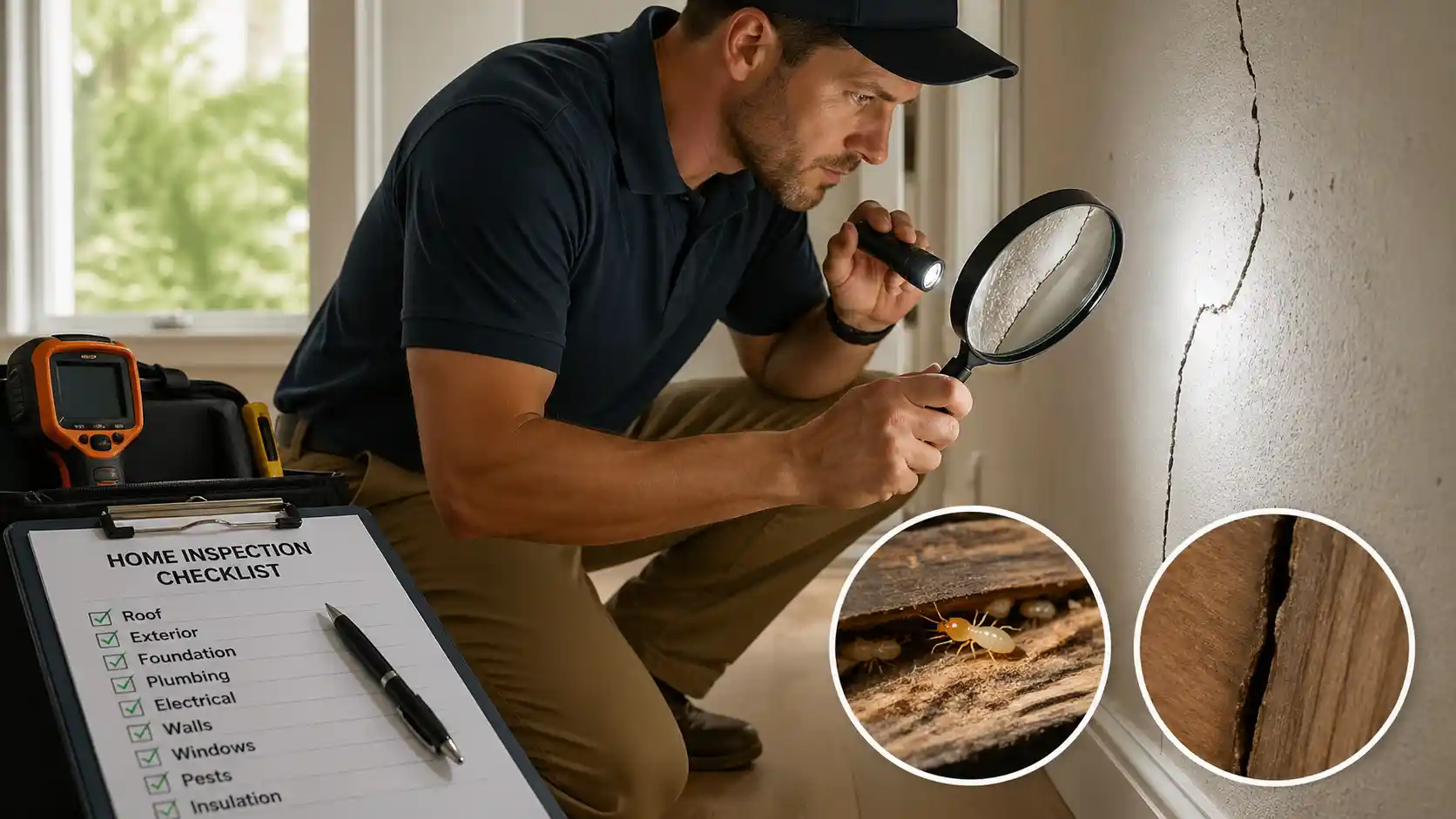
Most people wait for a major problem before acting, but mold usually starts with much quieter hints. A tiny bit of discoloration near the ceiling or a musty smell in a cupboard is often brushed off as nothing. In truth, these are the first red flags that moisture has moved in, and a professional Mould House Inspection can identify if these issues are already eating away at things behind the scenes.
A situation that shows up often involves homes that have recently been painted. Fresh paint can mask uneven moisture levels, making walls look consistent even when internal dampness exists. Property owners often assume the space is fine because it appears clean, but a deeper inspection often reveals a different story. That’s where delaying a proper check becomes costly.
Another pattern comes from seasonal assumptions. After heavy rain, a damp smell is often written off as temporary. But if that smell lingers for days, it’s no longer just weather-related. It signals trapped moisture. That’s typically the point where a Mould House Inspection would reveal more than what’s visible on the surface.
Why Rockhampton’s climate quietly accelerates mould growth
Rockhampton doesn’t need extreme conditions to support mould. A steady mix of warmth and humidity is enough. Homes that appear structurally sound can still develop moisture pockets simply because airflow isn’t consistent or well designed. That’s where problems start quietly and grow without much visibility.
Subfloor areas are a common issue. They’re rarely inspected unless there’s a known problem, and once moisture builds up there, it tends to stay. Roof cavities follow a similar pattern; heat rises, moisture follows, and without proper ventilation or a regular Mould House Inspection, these areas become ideal conditions for mould growth over time.
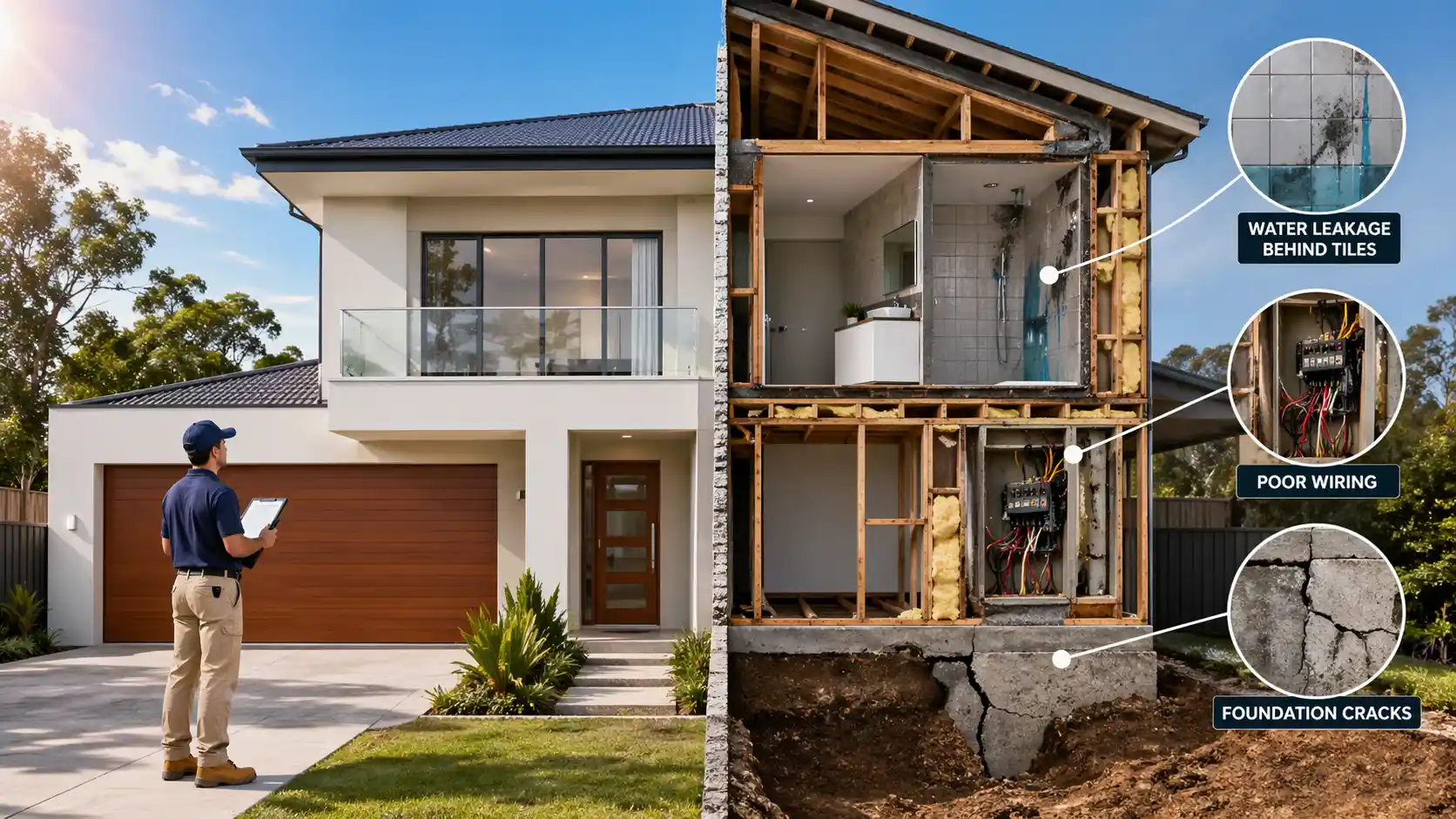
Even newer builds face similar risks. A new building inspection sometimes reveals ventilation gaps or insulation layouts that trap moisture instead of dispersing it. The structure may meet basic standards, but that doesn’t always mean it performs impressively under Rockhampton’s specific climate conditions.
Prevention Tips That Actually Work
Prevention isn’t complicated. It’s just often overlooked.
Simple habits that reduce mold risks:
- Keep indoor humidity below 60%
- Use exhaust fans in bathrooms and kitchens
- Fix leaks immediately
- Allow airflow through windows and vents
- Avoid drying clothes indoors
What a proper Mould House Inspection actually uncovers
A thorough mould house inspection does a lot more than just point the mold out. it actually maps out how moisture is moving through your home. This means finding exactly where it’s getting in, how it’s traveling, and where it’s pooling up over time.
People often find it surprising that a wall may appear dry on the outside, yet it may be saturated on the inside. Without specialized gear like moisture meters or a professional Mould House Inspection, you’d never know it was there. Effortlessly eliminating the surface mold in these situations is akin to resetting the clock, as the underlying cause persists.
Inspectors also pay attention to airflow patterns, which are often overlooked. Rooms that feel closed off or poorly ventilated tend to hold moisture longer. A proper Mould House Inspection identifies these airflow inefficiencies, which are often the real reason mould continues to return.
Common homeowner mistakes that increase long-term risk
A recurring mistake is relying on visual checks alone. If the mold isn’t visible, it’s assumed to be absent. That assumption often leads to missed issues, especially in hidden areas like behind cabinetry or beneath flooring. By the time it becomes visible, damage is already underway.
Putting things off is another big mistake. While a small damp patch may not seem urgent, waiting allows it to spread. The repair bill doesn’t go up because the job gets harder; it goes up because the mold covers more ground. Catching it early with a Mould House Inspection keeps the problem small and manageable.
It’s easy to rely too much on store-bought sprays. Scrubbing the surface gets rid of what you can see, but it does nothing for the moisture trapped underneath. This just starts a cycle where the mold keeps popping back up in the same spot, leading to endless “quick fixes” instead of a real, permanent solution.
Cost vs Long-Term Value
Skipping inspection might save money in the short term. But repairs? That’s where costs stack up.
| Scenario | Estimated Cost Range |
| Mould inspection | Low to moderate |
| Minor remediation | Moderate |
| Structural repair | High |
A simple Mould House Inspection often prevents expensive restoration work later.
Cost differences between early checks and late repairs
The cost gap between early inspection and late-stage repair is wider than most expect. A routine Mould House Inspection is relatively manageable in cost, especially when compared to structural repairs that involve replacing materials affected by prolonged moisture.
Fixing things early usually just means better ventilation or patching a tiny leak—simple, predictable costs. But once mold gets into the actual bones of the house, the repairs get a lot more invasive. That’s when the price tag starts to jump well beyond what most homeowners expect.
There’s also the impact on property value. Homes with unresolved moisture issues tend to face reduced buyer confidence. During property inspections, any signs of mold or dampness can influence negotiations. Early inspection helps avoid these situations entirely.
How certified inspectors detect hidden moisture issues
Professional inspectors don’t just guess; they follow a strict, step-by-step process. It’s not just about looking at the obvious damp spots but really understanding how moisture breathes through a building. That kind of insight and a thorough Mould House Inspection demands the right gear and years of experience.
Moisture meters are excellent, but the numbers don’t mean much without context. A high reading isn’t always a disaster unless it matches up with other red flags. We cross-check those numbers against the home’s layout and airflow to figure out where the real risks are.
Thermal imaging is another game-changer, helping us spot temperature shifts that point to hidden moisture. A proper Mould House Inspection brings all these tools together with practical know-how so we’re dealing with facts, not just assumptions.
Ventilation gaps that slowly create mould conditions
Bad ventilation never feels like an emergency, so it’s simple to ignore. Usually, a room that feels slightly stuffy doesn’t trigger alarms. But over time, that lack of airflow lets moisture sit and soak in much longer than it ever should, which is why a professional Mould House Inspection is so critical for identifying hidden dampness.
We all know about bathrooms and kitchens, but dark spots like wardrobes or storage cupboards are the real hidden traps. These areas get almost no airflow, making them the perfect breeding ground for mold to grow completely unnoticed.
Opening windows occasionally isn’t always enough. Airflow needs consistency. A Mould House Inspection often reveals that irregular ventilation patterns are a key factor in recurring mould issues, especially in humid regions like Rockhampton.
When rapid building inspections are actually useful
Rapid building inspections are beneficial, particularly when prompt decisions are required, and often serve as a preliminary step for certified home inspections. They provide a snapshot of current conditions, highlighting visible risks without going into full diagnostic detail.
Rapid checks are common when someone is buying a house and time is tight. Buyers want quick answers, and these fast-track inspections provide that. Just keep in mind they aren’t a substitute for a deep dive, especially if you already suspect there’s a moisture problem.
Betting everything on a quick inspection for a long-term decision is risky. They usually only spot the symptoms, not the actual cause. A proper follow-up Mould House Inspection gives you the depth you need to actually fix the problem for good.
Property inspection insights before buying older homes
Older homes have a lot of history baked into them. Past repairs and DIY renos often leave behind hidden surprises. Moisture often infiltrates areas where the previous work was subpar.
We often discover damp patches tucked away behind newly renovated sections. Everything looks perfect on the surface, but the underlying mess is still there. Without a detailed mold house inspection, these issues just sit there in the dark, waiting to get worse.
Skipping inspections in older homes is a common mistake among buyers. Initial savings quickly disappear when hidden problems surface after purchase. A thorough check before buying prevents unexpected repair costs later.
Insurance inspections and mould-related claim challenges
Insurance building inspections prioritize the identification of structural risks, with mould frequently occupying a gray area. Coverage depends on whether a certified house inspector determines the issue is sudden or gradual, as that distinction significantly affects claim outcomes.
Sudden water damage is usually covered, while long-term mould growth often isn’t. This presents challenges for homeowners who discover mold after it has developed over time, especially when certified building inspectors note that, without proper documentation, proving the cause becomes difficult.
Regular inspections create a record of the property’s condition. A documented Mould House Inspection helps establish that maintenance has been consistent, which can support claims if issues arise later
Everyday habits that reduce indoor mould buildup
Prevention doesn’t require major changes, but it does require consistency. Small adjustments to your daily habits and regular residential building inspections can significantly reduce the risk of mold development over time.
Maintaining indoor humidity levels is one of the most effective measures. Even simple actions like using exhaust fans or allowing airflow between rooms can make a noticeable difference in moisture control.
Addressing leaks immediately is another critical habit. Delayed repairs allow moisture to settle into materials, creating long-term problems. A proactive approach reduces the need for frequent Mould House Inspection interventions.
Long-term inspection planning for property protection
Regular check-ups turn you from someone who reacts to disasters into someone who prevents them. Instead of waiting for the mold to show its face, routine checks following Queensland mould and indoor air quality guidelines locate the issues early, which saves you a lot of money and a massive headache.
Houses that are inspected regularly simply hold up better over time. By catching the small stuff before it snowballs, you keep your maintenance schedule predictable and your repair costs under control.
Booking a Mould House Inspection every few years gives you a solid baseline for your home’s health. Tracking changes over time allows you to address any moisture issues before they escalate into a major project.
Contact Us
A fresh-looking home can still hide serious issues, like trapped moisture and mold growth. These problems slowly impact indoor air quality, structural integrity, and property value. A professional Mould House Inspection in Rockhampton removes uncertainty with accurate, detailed insights.
Don’t let hidden damage turn into costly repairs or health risks. A thorough inspection keeps your property safe, dry, and future-ready. Get peace of mind with an expert assessment. Get a quote now or contact us today to book a trusted inspection service in Rockhampton.
Frequently Asked Questions
1. What is included in a mold house inspection?
A mold house inspection checks visible mold, hidden moisture, ventilation, and structural impacts. Inspectors use tools like moisture meters and thermal imaging to detect damp areas not visible to the eye.
2. How often should mould inspections be done?
Mould inspections should be done annually or after heavy rainfall, leaks, or humidity issues. Regular property inspections help catch early signs before structural damage develops
3. Can mould affect property value?
Absolutely. Mould is a value-killer; it damages the house and raises big health concerns. Most buyers will ask for a certified inspection, and if mold pops up, it can seriously hurt your negotiating power or even kill the sale entirely.
4. Is a licensed building inspector necessary for mould checks?
You really need a licensed building inspector to get the full story. They know how to find the hidden moisture, judge the risks to your home’s structure, and give you a report that goes way deeper than just a surface-level glance.
5. Are new homes at risk of mould problems?
Yes, even new homes can develop mould if ventilation or moisture control is poor. A new building’s inspection often reveals airflow or insulation issues that lead to mold growth.