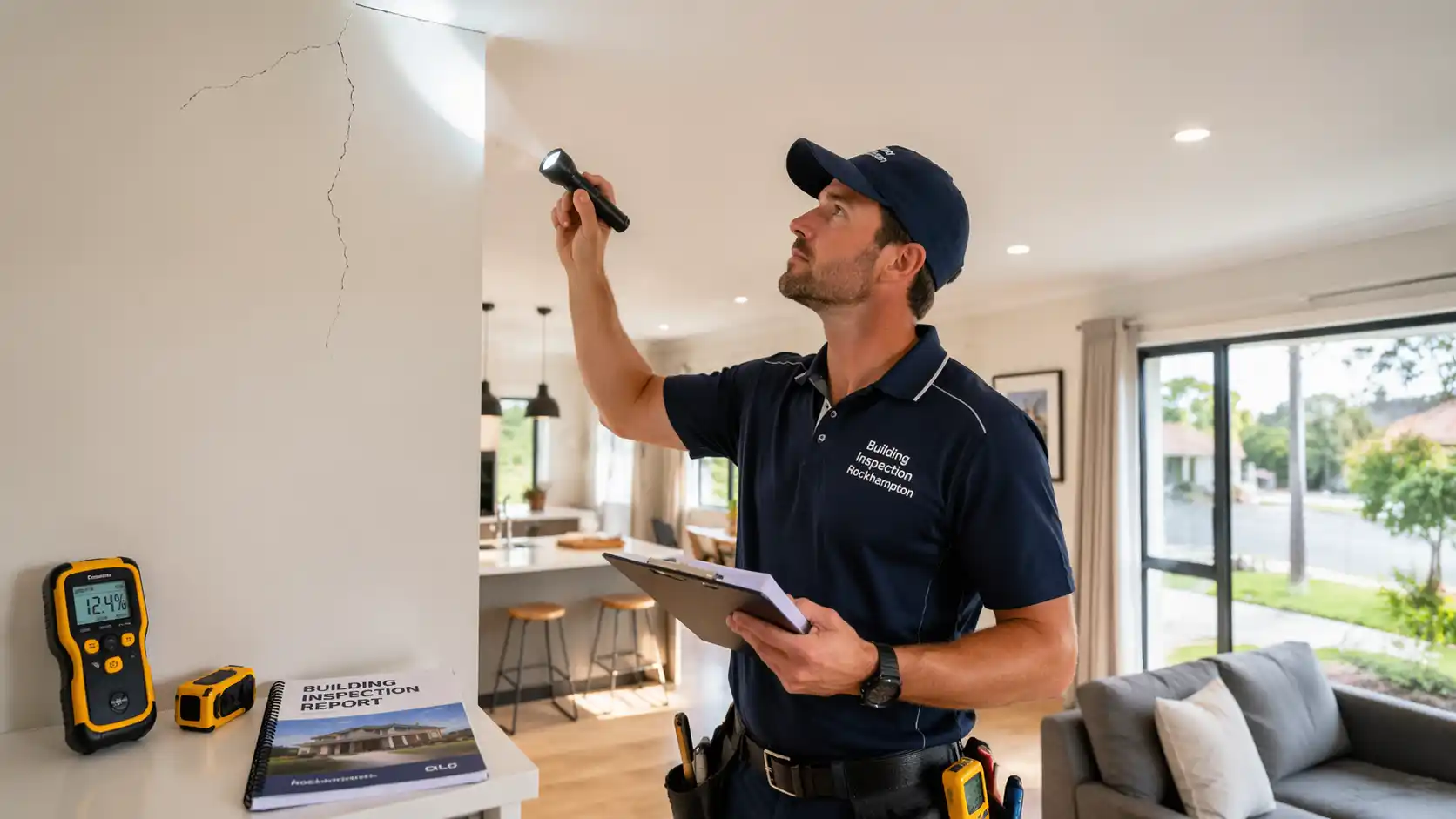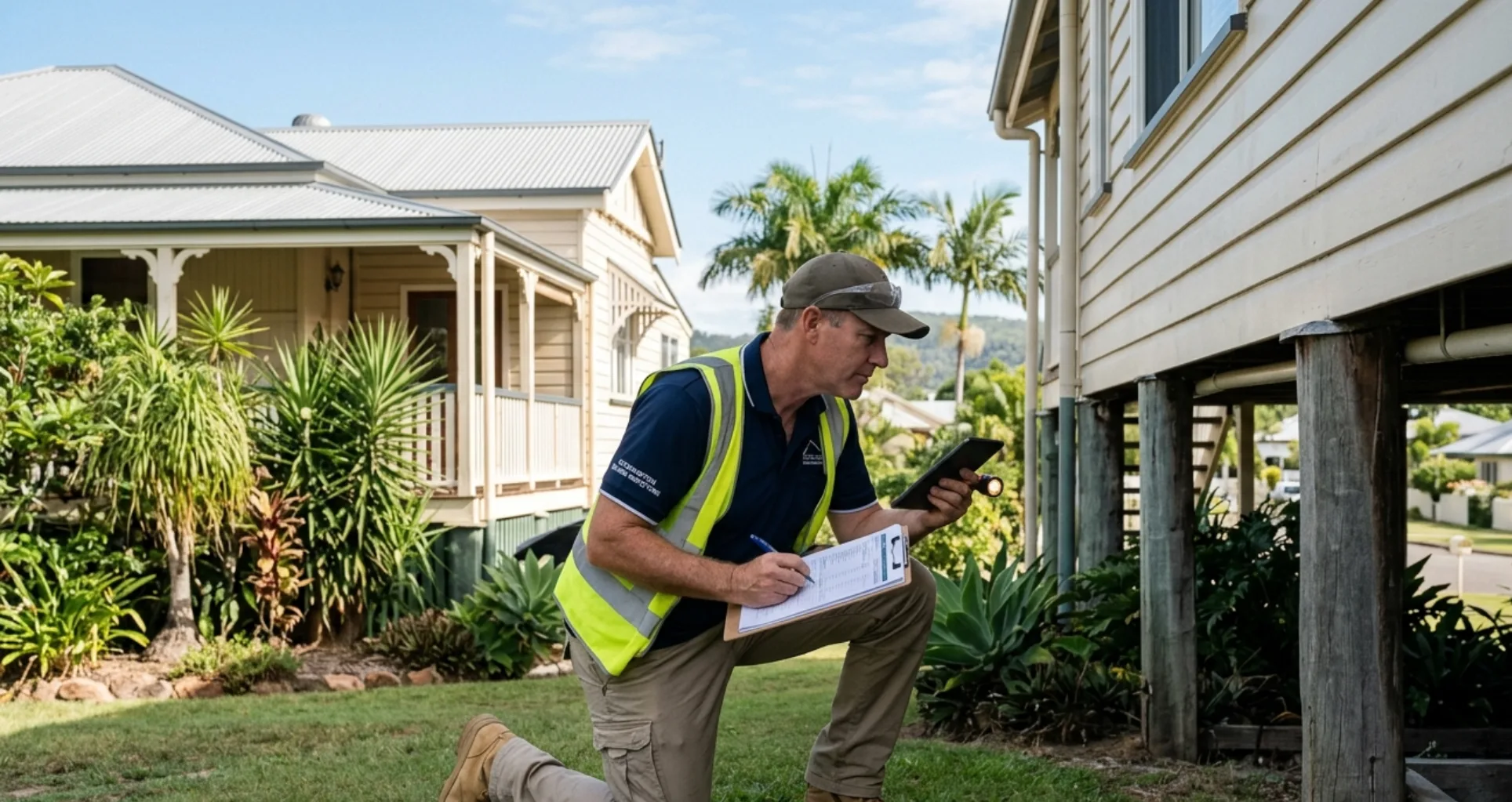
Investing in property is a major life decision, and Rockhampton’s unique climate and conditions make it especially important to do your homework. A Building Inspection Company Rockhampton acts like a magnifying glass on your future home, spotting cracks in the foundation, damp spots in the ceiling, or termite damage lurking out of sight. Think of it as an “X-ray” for your house – giving you confidence instead of surprises. Before you sign the papers, a detailed building inspection can save you tens of thousands of dollars in repairs later.
A thorough inspection is like examining every corner of a model home under a magnifying glass, ensuring no hidden issues go unnoticed. Even if the place looks great at first glance, inspections reveal things you’d never spot on an open home walkthrough. In Queensland, certified inspectors check for defects (leaks, cracks, structural problems) and even pests like termites. In short, hiring a Building Inspection Company Rockhampton before you buy is the smartest move to protect your investment – it’s a small cost compared to the headache of unexpected repairs.
Why Inspections Are Crucial
Skipping a building inspection is like buying a car without looking under the bonnet. Studies show nearly 85% of new Australian homes have construction defects. Without an inspection, you might inherit rotten wood, mold, faulty wiring, or structural cracks that could cost $10,000+ to fix. Owner Inspections reports that fixing major defects in Australia often exceeds $10k on average, while termite damage alone costs Aussies about $1.5 billion each year. Yet a professional pre-purchase inspection – often only a few hundred dollars – can catch these issues early.
- A Building Inspection Company Rockhampton will examine your property’s structural integrity (foundation, beams, walls) and finish work (roof, plumbing, roofing flashings).
- Inspectors follow standards (AS 4349.1 in QLD) to review everything reasonably accessible: from roof to subfloor, checking roofing, drainage, cladding, and more.
- They flag major defects (e.g. sagging roof) versus minor issues (peeling paint) and note anything needing monitoring.
Having an expert on site means you get a written report highlighting problems before you commit. This report not only uncovers hidden risks but gives you bargaining power – you can negotiate a better price or ask the seller to fix issues. In Queensland, even the Home Warranty Scheme won’t cover defects you knew about before buying, so it’s wise to find issues now, not when your insurance claim is denied.
Types of Inspections (and When to Use Them)
Different inspection types meet different needs. A residential building inspection (often called a house building inspection) is typical for homebuyers, while commercial investors or insurers may need specialized checks. The table below compares common inspection types:
| Inspection Type | Purpose/Focus | Typical Findings (Examples) | When to Use | Avg. Turnaround |
|---|---|---|---|---|
| Pre-Purchase Home / Residential | Check overall condition of a house (roof, structure, cladding, services) | Roof leaks, foundation cracks, damp/mould, termite entry, plumbing/drainage issues | Before buying any house or apartment in Rockhampton | Report in ~1–3 days |
| Structural Building Inspection | Detailed structural review (often by engineer or senior inspector) | Foundation settlement, load-bearing wall issues, subsidence signs, severe termite damage | If you suspect structural problems, or every few years on older homes | 1–2 weeks (depending on analysis) |
| New Construction / Stage Inspection | Verify each build stage meets codes (footings, frame, final) | Proper framing, footing depth, termite barriers, waterproofing (final) | During construction: excavation, framing, and final handover stages | Same-day to a few days (builders often require quick certification) |
| Insurance-Building Inspection | Evaluate property for insurance or post-damage claim | Pre-existing damage, compliant safety systems (alarms, glazing), risk factors like flammable materials | When insurers require a condition report or after storm/damage | Rapid (often 24–48 hours) |
| Commercial Building Inspection | Assess larger/complex buildings (offices, shops) | Code compliance, asbestos, fire safety, accessibility issues, structural soundness | Buying or leasing commercial property, or for renovations | 2–5 days (depending on size and report detail) |
| Rapid Building Inspection | Quick check for urgent timelines or emergencies | Key defects visible, immediate safety hazards | When settlement deadlines loom or after a weather event (cyclone, flood) | 24–48 hours (often at a premium fee) |
- Residential vs Commercial: Residential inspections (single houses, townhouses) focus on typical home issues, while commercial inspections cover fire egress, elevator safety, larger-scale plumbing/electrical and asbestos checks. Both types aim to ensure safety and compliance, but commercial reports often involve larger compliance documents.
- Structural vs General: A structural inspection is like an engine tune-up – it focuses strictly on load-bearing parts. If you’re only buying a home, a general pre-purchase building inspection (sometimes bundled with a pest inspection) usually suffices. But if a report flags major settling or cracking, you might then get a structural expert.
- Insurance Checks: Sometimes insurance policies (or loan conditions) require an inspection. These reports often verify the property is safe and note any major flaws that could affect coverage or claims.
Rockhampton’s Unique Factors
In Rockhampton, your home faces challenges different from cooler climates. Weather and soil here can wreak havoc on buildings:
- Subtropical Climate & Termites: Rockhampton’s warm, humid weather and heavy rains create a paradise for termites and mildew. Termites can silently munch through wooden frames; inspectors specifically look for termite damage and ensure management systems are in place.
- Reactive Clay Soils: Much of the Rockhampton region sits on clay that expands when wet and shrinks when dry. This can shift foundations, crack walls and warp floors. Regular inspections help catch early signs of subsidence before they become costly repairs.
- Floods and Storms: Being in Central QLD, parts of Rockhampton flood during heavy rains. Water damage can weaken foundations and introduce mold. While no one can inspect after every storm, a thorough past-history check (and condition report on foundations and drainage) is vital. For new builds, Queensland’s codes mandate flood-resistant design in some zones.
- Cyclones and High Winds: Cyclone events may be rare so far, but strong winds can stress roofs and cladding. Inspectors will check roof ties, gutters and flashings to ensure they’re built to local wind standards.
Even Queensland’s own guidelines highlight these issues. For instance, Business Queensland notes that the final building inspection for a new house must confirm termite management systems and waterproofing are correctly installed. In practice, that means a Building Inspection Company Rockhampton will ensure your roof is sealed, your underfloor has proper ventilation, and any protective measures (like termite barriers) are intact before you move in.
The Inspection Process
So what actually happens on inspection day? Here’s a typical flow you can expect when working with a Building Inspection Company Rockhampton:
- Booking & Prep: You contact the inspector and share your concerns. A Building Inspection Company Rockhampton will often review plans if available. You’re encouraged to attend so you can ask questions and see issues firsthand.
- Visual Walk-through: The inspector tours the property inside and out using a checklist. They examine the roof space, subfloor (if accessible), ceilings, walls, floors, plumbing, drainage, electrical systems, and even outbuildings—looking for cracks, leaks, rot, or poor workmanship.
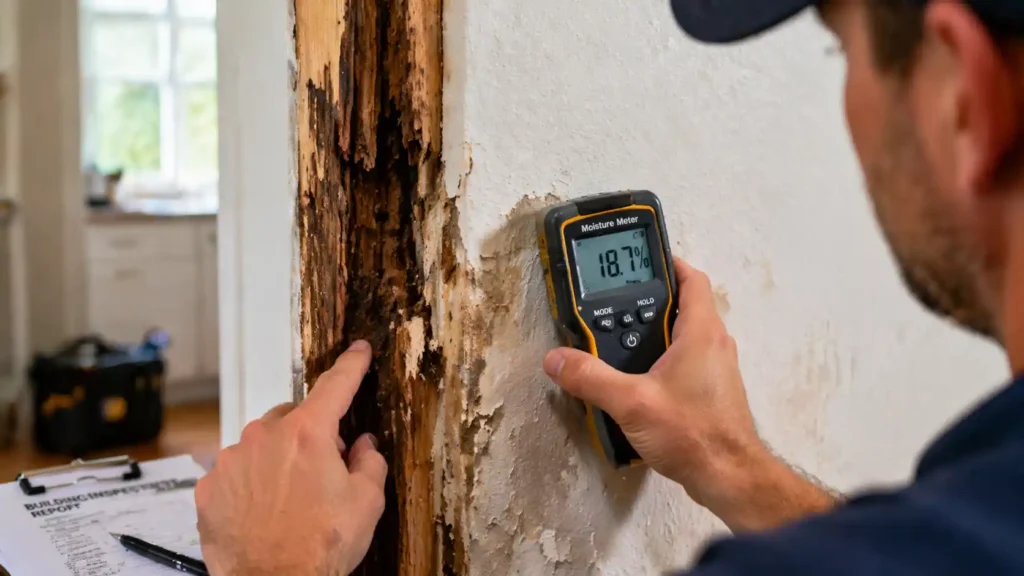
- Tools & Testing: Inspectors use simple but effective tools like moisture meters and torches. These help detect hidden issues such as dampness, leaks, or ventilation problems that aren’t obvious at first glance.
- Documentation: They take clear photos of defects-like termite damage or rusted beams-and record detailed notes. This step ensures nothing important gets overlooked later.
- Report Delivery: Within 1–3 days, you receive a written report outlining major issues, minor defects, and future risks. It might say things like “loose roof flashing” or “minor cracks—monitor over time.” This becomes your negotiation tool.
According to Australian Standards AS 4349.1, the report covers all accessible areas-foundations, roof, walls, subfloor, wet areas, doors, windows, and visible services. It’s not a compliance certificate, but it clearly flags anything that doesn’t meet expected standards.
Cost, Timing & Choosing an Inspector
Building inspections in Queensland are not free, but they pay off. In 2025, a typical pre-purchase inspection in regional areas like Rockhampton might range roughly $400–$800 (often higher if it includes a pest check). Brisbane rates are similar for larger homes, so Rockhampton is usually a bit cheaper. A Building Inspection Company Rockhampton can help you uncover hidden issues early-saving you far more than the initial cost.
Turnaround is usually fast. Most inspectors deliver the written report within 1–3 business days, and some offer 24–48 hour “express” service (often for an extra fee) if you need it quickly. For new builds or urgent sales, there are even rapid building inspections geared to tight deadlines.
Licensing and insurance matter. In QLD, inspectors must be licensed by the Queensland Building and Construction Commission (QBCC). Always check their credentials. An experienced inspector with professional indemnity insurance might charge more, but they’re more likely to spot subtle issues (think: a builder vs a rookie inspector).
Interpreting the Report & Next Steps
When you get the report, don’t panic. It’s a road map, not a verdict of doom. A Building Inspection Company Rockhampton report highlights what truly matters. Major defects (like structural cracks) should come first. Use the findings to negotiate smartly-you might ask for repairs, a price drop, or even walk away if needed.
If you’re working with a Building Inspection Company Rockhampton, you’ll notice the report is detailed but practical. It helps you see the property clearly, not emotionally. And that’s exactly what you want before making a big financial move.
For insurance building inspections, the report may be shared with your insurer. Some policies even expect a clean report. If issues show up, they can affect premiums or claims. So honestly, it’s better to uncover problems now rather than later.
Also, don’t try to fix everything yourself. Bring in the right experts-a structural engineer for foundations, an electrician for wiring, or a plumber for leaks. Think of it this way: the inspector points out the problem, and you build your team to solve it before it becomes your long-term stress.
Conclusion
At the end of the day, a Building Inspection Company Rockhampton is your ally for property peace of mind. They turn the unknown into known, so you can invest confidently. Whether it’s a sunny Queenslander, a brand-new townhouse, or a commercial space, an inspection saves you money, stress, and surprises.
By working with a Building Inspection Company Rockhampton, you can identify termite entry points, water damage, structural issues, or code concerns before you hand over the deposit. That early insight protects your investment and helps you avoid costly mistakes down the track.
Don’t skip it—think of it like test-driving a home before you commit. Your dream property deserves a solid, informed start. When you understand exactly what you’re buying, you move forward with clarity, not guesswork-and that makes all the difference.
Frequently Asked Questions (FAQs)
1. What does a building inspection include?
A building inspection covers key areas like roof, walls, floors, foundation, plumbing, electrical, and drainage. A Building Inspection Company checks visible defects, safety risks, and structural issues to give you a clear property condition report.
2. How much does a building inspection cost in Rockhampton?
In Rockhampton, a standard inspection usually costs between $400 and $800. Pricing depends on property size and inspection type. Hiring a Building Inspection Company in Rockhampton helps you avoid costly repairs later, making it a smart investment.
3. Is a building inspection mandatory in Queensland?
No, it’s not legally required for buyers in Queensland. However, using a Building Inspection Company is strongly recommended to identify risks early and make informed decisions before finalising a property purchase.
4. When should I get a building inspection?
You should arrange a building inspection before signing contracts and make it a condition of sale. It’s also useful before settlement, after storms, or during construction stages to ensure everything meets safety and quality standards.
5. Do inspectors check for termites during inspections?
Inspectors may spot signs like damage or risk areas, but a full termite check usually requires a pest specialist. Many buyers combine services through a Building Inspection Company for both structural and pest assessments.