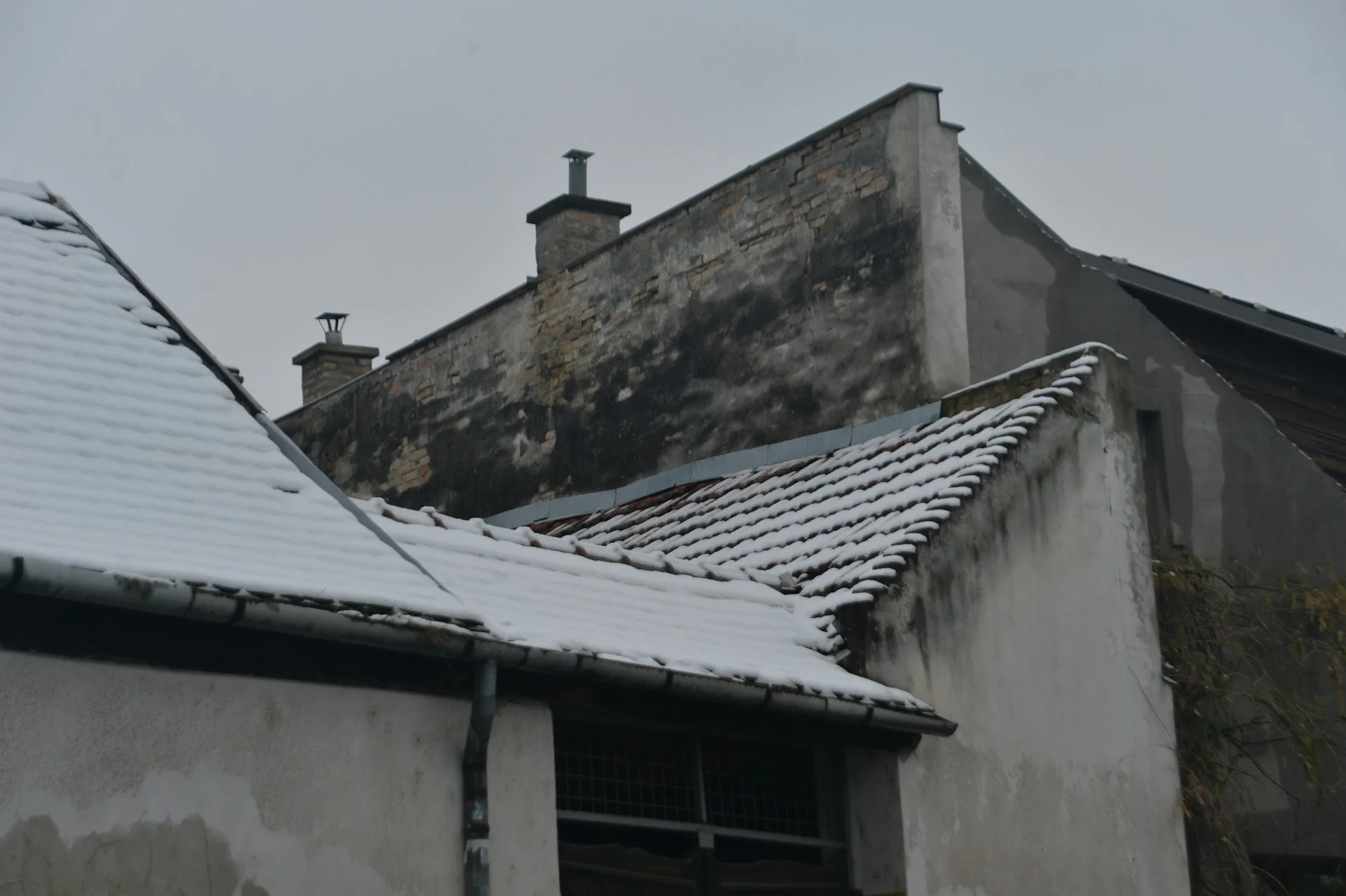
Rockhampton’s warm climate and seasonal weather patterns create ideal conditions for many household pests. For homeowners, this means hidden risks that can quietly affect property value, safety, and comfort. A Pest Inspection is often the first line of defence, helping to identify issues before they become expensive or hazardous problems. Understanding the most common risks allows homeowners to take timely and informed action.
Many pest problems develop gradually, often without obvious warning signs. By the time visible damage appears, the underlying issue may already be well established. Awareness of local pest risks and how they impact homes is essential for making informed maintenance and property care decisions.
Why Pest Risks Are Higher in Rockhampton
Rockhampton’s subtropical environment supports year-round pest activity. High humidity, summer rainfall, and older housing structures all contribute to increased vulnerability. Many pests thrive in roof cavities, wall voids, gardens, and subfloor areas where they remain undetected for long periods.
A Pest Inspection helps uncover these hidden issues early, especially in areas that are not part of everyday household routines.
1. Termite Damage to Structural Timber
Termites are one of the most serious threats to homes in Rockhampton. They feed on timber and cellulose materials, often causing extensive internal damage before any visible signs appear. Structural beams, flooring, and wall frames are common targets.
Without a regular Pest Inspection, termite activity can go unnoticed until repairs become costly and disruptive. Early identification significantly reduces long-term damage and repair expenses.
2. Undetected Roof and Ceiling Pests
Roof spaces provide warmth and shelter for rodents, possums, and insects. These pests can damage insulation, wiring, and timber supports. Chewed electrical cables also increase fire risks.
A professional Pest Inspection assesses roof cavities for nesting materials, droppings, and entry points that are otherwise difficult for homeowners to safely access.
3. Health Risks from Cockroaches and Rodents
Cockroaches and rodents are known carriers of bacteria, allergens, and pathogens. They contaminate food preparation areas and surfaces, increasing the risk of illness, especially for children and elderly residents.
Routine Pest Inspection services help identify infestations early, reducing exposure to health hazards and improving indoor living conditions.
4. Garden and Outdoor Pest Entry Points
Overgrown vegetation, wood piles, and garden beds placed close to buildings create easy access points for pests. Ants, termites, and spiders often enter homes from outdoor environments.
A thorough Pest Inspection includes assessing exterior conditions that contribute to infestations, helping homeowners understand how landscaping choices impact pest activity.
5. Moisture-Related Pest Problems
Leaking pipes, poor drainage, and damp subfloors attract pests such as termites, cockroaches, and silverfish. Moisture issues often worsen during Rockhampton’s wet season.
Identifying moisture sources during a Pest Inspection helps reduce pest attraction while also highlighting potential building maintenance concerns.
6. Hidden Subfloor Infestations
Many Rockhampton homes have raised foundations, creating subfloor spaces that are rarely inspected. These areas are dark, humid, and ideal for pest nesting and movement.
A detailed Pest Inspection includes subfloor assessments, which can reveal termite mud tubes, rodent burrows, and moisture accumulation.
7. Property Value and Sale Delays
Pest issues discovered during pre-sale inspections can delay transactions or reduce property value. Buyers often request evidence of recent pest assessments before proceeding.
Conducting a Pest Inspection ahead of listing a property helps homeowners address issues proactively and present a well-maintained home to potential buyers.
Understanding Local Pest Regulations and Risks
Homeowners in Queensland are encouraged to stay informed about pest risks and biosecurity responsibilities. Government resources provide guidance on managing invasive species and household pests.
You can learn more through the Queensland Government’s biosecurity information here.
This knowledge supports informed decisions alongside a professional Pest Inspection approach.
8. Seasonal Pest Surges
Certain pests become more active during warmer months, while others seek shelter indoors during cooler or wetter periods. Seasonal changes can lead to sudden infestations if homes are unprepared.
Scheduling a Pest Inspection before seasonal shifts helps reduce unexpected pest problems and supports year-round home protection.
9. DIY Detection Limitations
Many homeowners rely on visible signs such as droppings or noises to identify pests. However, by the time these signs appear, infestations may already be well-established.
A trained Pest Inspection professional uses specialised tools and experience to detect early warning signs that are easy to miss without expert knowledge.
10. Long-Term Maintenance Oversights
Homes that have not undergone assessment for several years are at higher risk of cumulative pest damage. Minor issues can compound over time, leading to significant structural or hygiene concerns.
Routine Pest Inspection planning supports long-term property care and reduces the likelihood of major infestations developing unnoticed.
How Homeowners Can Reduce Pest Risks
While inspections are essential, homeowners can also take practical steps to minimise pest attraction:
-
Keep gutters clean and free-flowing
-
Store firewood away from buildings
-
Seal visible cracks and gaps
-
Reduce moisture buildup indoors and outdoors
-
Maintain tidy garden areas
These actions work best when combined with a scheduled Pest Inspection strategy.
The Importance of Awareness and Early Action
Many pest-related problems escalate simply because homeowners are unaware of early warning signs. Subtle indicators such as unusual smells, faint scratching noises, small holes in timber, or changes in door and window alignment can all suggest underlying activity. Recognising these signs early allows homeowners to act before damage becomes extensive.
Education also plays a critical role. Understanding which pests are common in Rockhampton, where they typically hide, and what conditions attract them helps homeowners make better maintenance decisions. Simple habits such as monitoring moisture levels, checking storage areas, and inspecting outdoor structures can significantly reduce risks.
Another key factor is record keeping. Maintaining documentation of previous assessments, repairs, and preventative measures provides a clearer picture of a property’s history. This can be especially valuable when planning renovations or preparing a home for sale.
Ultimately, proactive management is far more effective than reactive solutions. By combining regular monitoring, informed decision-making, and professional assessments, homeowners can maintain safer, healthier, and more resilient living environments. Consistency and awareness remain the strongest tools in reducing long-term pest-related challenges.
Managing Pest Risks Through Awareness
Rockhampton homeowners face a range of pest-related risks due to climate, building styles, and environmental factors. Understanding these risks allows for smarter planning and better property care. A well-timed Pest Inspection plays a key role in protecting homes, maintaining value, and supporting healthy living environments.
By staying informed and proactive, homeowners can reduce pest threats before they escalate into serious issues.