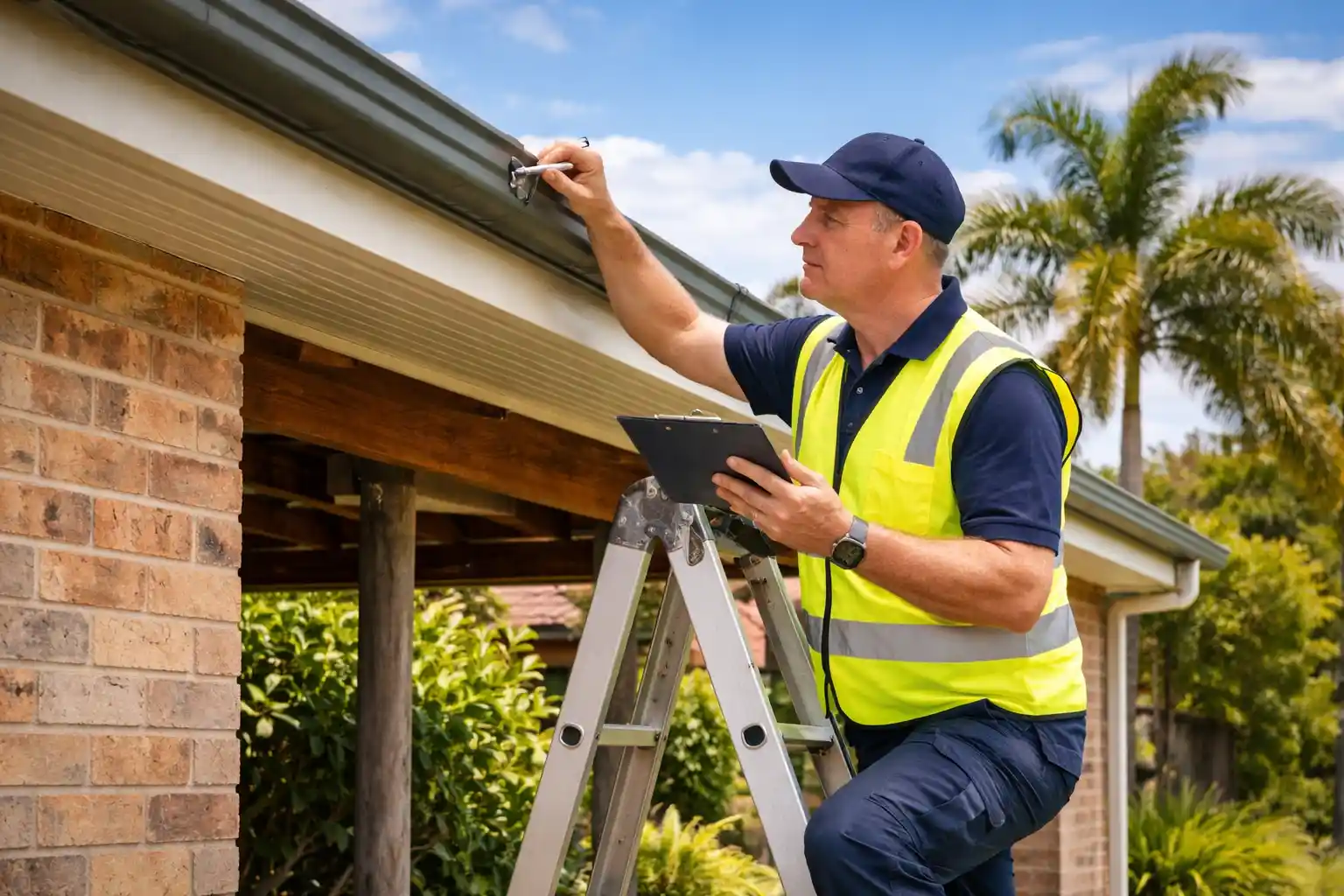
Property owners in Rockhampton face unique environmental and structural challenges, from tropical weather patterns to aging housing stock. When damage occurs or an insurance claim is required, Insurance Building Inspections play a critical role in assessing the condition of a property and determining the legitimacy and scope of claims. Understanding exactly what these inspections cover can help homeowners, landlords, and investors navigate the insurance process with confidence.
This article explains what Insurance Building Inspections involve in Rockhampton, what inspectors look for, and why they are essential for protecting both property value and insurance entitlements.
Understanding Insurance Building Inspections
Insurance Building Inspections are professional assessments carried out to evaluate property damage that may be linked to an insurance claim. These inspections are commonly requested after events such as storms, floods, cyclones, fire incidents, or accidental structural damage.
In Rockhampton, insurers rely on qualified building inspectors to provide accurate, independent reports that detail the cause, extent, and severity of damage. The findings directly influence whether a claim is approved, partially approved, or declined.
Unlike standard pre-purchase or routine inspections, Insurance Building Inspections focus specifically on damage relevance, policy conditions, and repair feasibility.
Structural Elements Covered During Inspection
One of the most critical aspects of Insurance Building Inspections is evaluating a building’s structural integrity. Inspectors assess whether damage impacts the safety or stability of the structure.
Key structural components reviewed include:
-
Foundations and footings
-
Load-bearing walls
-
Roof framing and trusses
-
Beams, columns, and supports
-
Signs of subsidence or movement
In Rockhampton, soil conditions and moisture fluctuations can contribute to cracking and movement, making this step especially important. Insurance Building Inspections determine whether such damage is sudden and insurable or the result of long-term wear.
Roof and External Damage Assessment
Roofing systems are frequently examined during Insurance Building Inspections, particularly after storms or high winds. Inspectors check for:
-
Broken or displaced roof tiles and sheets
-
Water ingress and ceiling staining
-
Damaged flashing and gutters
-
Structural roof movement
-
Storm-related debris impact
External cladding, windows, doors, fences, and sheds are also reviewed. Rockhampton’s exposure to severe weather means external damage claims are common, and Insurance Building Inspections help differentiate storm damage from age-related deterioration.
Water Damage and Moisture Issues
Water damage is a leading cause of insurance claims, and Insurance Building Inspections pay close attention to moisture-related problems.
Inspectors investigate:
-
Flood damage and water lines
-
Internal wall and flooring damage
-
Swelling, warping, or rot
-
Mould growth and moisture intrusion
-
Plumbing-related leaks
In coastal and subtropical areas like Rockhampton, humidity can complicate claims. Insurance Building Inspections identify whether damage is sudden (and insurable) or gradual, which may affect claim eligibility.
Internal Building Components Reviewed
During Insurance Building Inspections, internal areas of the property are thoroughly assessed to document visible and hidden damage.
Common inspection areas include:
-
Walls and ceilings
-
Flooring systems
-
Internal doors and frames
-
Built-in cabinetry
-
Electrical and plumbing fixtures
Inspectors record damage extent, safety risks, and potential repair requirements. Detailed documentation ensures insurers receive reliable evidence to support claim decisions.
Fire, Impact, and Accidental Damage
Properties affected by fire, vehicle impact, falling trees, or accidental incidents require specialised Insurance Building Inspections. These inspections focus on both visible and structural consequences of the event.
Inspectors assess:
-
Heat and smoke damage
-
Structural weakening
-
Residual safety hazards
-
Partial or total loss areas
-
Repair versus rebuild feasibility
In Rockhampton, where bushland and residential areas often intersect, fire-related Insurance Building Inspections are essential for accurate damage classification.
Compliance and Building Standards Evaluation
Another important function of Insurance Building Inspections is assessing compliance with current building standards. While insurers generally do not cover pre-existing defects, inspections help identify:
-
Non-compliant construction
-
Unapproved alterations
-
Poor workmanship
-
Previous repair failures
For authoritative guidance on Queensland building regulations and standards, inspectors often align their findings with resources from the Queensland Building and Construction Commission (QBCC), the state’s primary regulatory authority.
This ensures Insurance Building Inspections are conducted in line with recognised building compliance frameworks.
Determining Cause of Damage
One of the most valuable aspects of Insurance Building Inspections is determining how damage occurred. Insurers require clarity on whether damage was caused by:
-
A sudden insured event
-
Gradual deterioration
-
Lack of maintenance
-
Environmental exposure
In Rockhampton, where weather extremes and aging homes intersect, this distinction is critical. Insurance Building Inspections provide expert opinions that help insurers make fair and accurate decisions.
Documentation and Reporting
After completing Insurance Building Inspections, inspectors prepare detailed written reports. These reports typically include:
-
Photographic evidence
-
Damage descriptions
-
Identified causes
-
Safety concerns
-
Repair recommendations
Clear documentation reduces disputes, speeds up claim processing, and protects homeowners from unfair claim rejections.
Why Insurance Building Inspections Matter in Rockhampton
Rockhampton properties face environmental conditions that increase insurance risk. Without proper Insurance Building Inspections, claims may be delayed, underpaid, or denied due to insufficient evidence.
Professional inspections ensure:
-
Claims are supported by expert assessment
-
Damage is correctly categorised
-
Safety risks are identified early
-
Repairs meet insurer expectations
For property owners, Insurance Building Inspections offer peace of mind during stressful claim situations.
Choosing the Right Inspector for Insurance Claims
Selecting a qualified professional is essential to ensure Insurance Building Inspections are accurate, unbiased, and accepted by insurers. In Rockhampton, inspectors should have strong local knowledge, experience with insurance-related assessments, and an understanding of regional building conditions.
Look for inspectors who provide clear photographic evidence, detailed explanations, and well-structured reports. High-quality Insurance Building Inspections reduce the risk of claim disputes by clearly identifying damage causes and repair requirements. Inspectors who communicate effectively with insurers and loss assessors can also help streamline the claims process.
Property owners should keep copies of inspection reports for future reference, especially if follow-up inspections or claim reviews are required. Ultimately, professional Insurance Building Inspections not only support successful insurance outcomes but also help property owners make informed decisions about repairs, safety, and long-term maintenance.
The Importance of Professional Insurance Inspections
Understanding what Insurance Building Inspections cover in Rockhampton empowers property owners to approach insurance claims with clarity and confidence. From structural integrity to water damage, compliance issues, and detailed reporting, these inspections are essential in protecting both property value and insurance rights.
When conducted by experienced professionals, Insurance Building Inspections ensure fair outcomes, faster claims, and informed repair decisions—making them an indispensable part of the insurance process in Rockhampton.