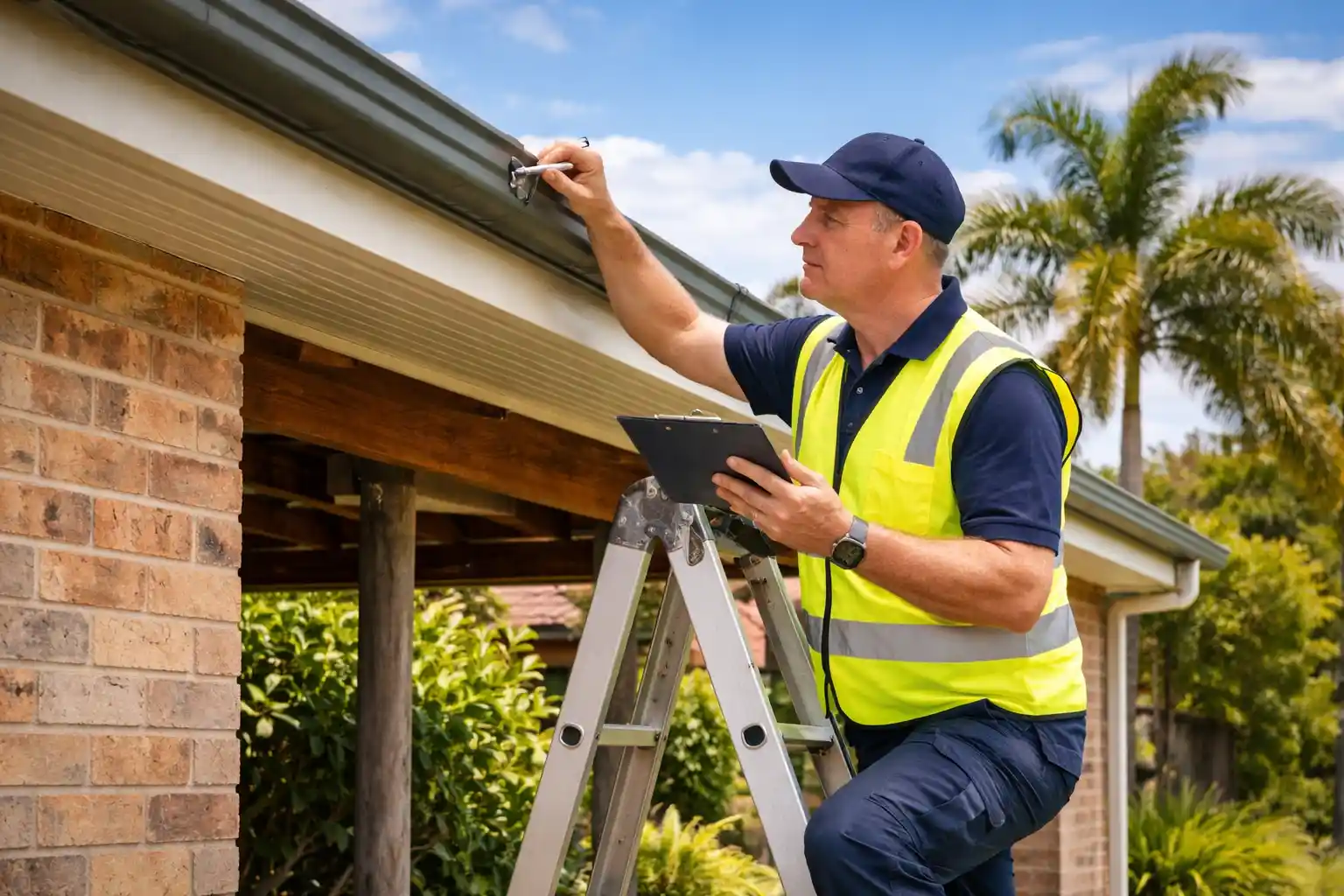
Mould growth is one of the most common yet overlooked issues affecting homes across Rockhampton. The region’s warm climate, seasonal humidity, and occasional heavy rainfall create the perfect conditions for mould to flourish indoors. For homeowners, tenants, and property managers, understanding the best time for a Mould House Inspection can save thousands of dollars in repairs, protect health, and maintain a property’s long-term value.
This guide explains the ideal times to schedule a Mould House Inspection, the warning signs to look for, how Rockhampton’s climate affects mould growth, and what to do before and after an inspection. If you want to protect your home, this article will give you everything you need to know.
Why Timing Matters for a Mould House Inspection in Rockhampton
Due to the city’s tropical climate and seasonal weather patterns, mould can spread quickly and silently. Many homeowners only notice mould once it becomes visible or produces a strong smell—by then, it may have already damaged walls, insulation, carpets, and indoor air quality.
A timely Mould House Inspection is essential because:
-
Early detection prevents small issues from becoming expensive repairs.
-
Inspectors can identify hidden mould behind walls, ceilings, and flooring.
-
It helps reduce health risks like allergies, asthma, and respiratory irritation.
-
You can address moisture issues before they escalate.
Knowing when to inspect is just as important as actually doing it.
Understanding Rockhampton’s Climate and Mould Growth
Rockhampton experiences hot summers, moderate winters, and significant humidity during certain periods. These conditions dramatically influence the growth patterns of mould.
High-Risk Environmental Conditions Include:
-
Humidity levels above 60%
-
Warm indoor temperatures
-
Poor airflow or ventilation
-
Post-rain moisture buildup
-
Leaks, flooding, or dampness
When these factors align, mould can begin growing within 24–48 hours.
The Best Times for a Mould House Inspection in Rockhampton
Below are the most effective times of the year—and specific home situations—when scheduling an inspection is highly recommended.
1. During Late Summer and Early Autumn — Peak Humidity Season
In Rockhampton, humidity is highest between January and April, making late summer and early autumn the ideal window for detecting mould.
During this time:
-
Moisture builds up indoors
-
Air conditioning units run more frequently
-
Condensation collects on windows and walls
-
Roof leaks from storms may go unnoticed
Since mould thrives in warm and damp conditions, this period is when it becomes most active.
Recommendation:
Schedule at least one Mould House Inspection during this season every year.
2. After Heavy Rainfall or Storm Events
Rockhampton is prone to seasonal storms and occasional flooding. After heavy rain, water can seep into:
-
Roof cavities
-
Basements
-
Wall linings
-
Carpets and underlay
-
Window frames
If moisture becomes trapped, mould growth can begin rapidly.
Best practice:
Book a Mould House Inspection within 7–10 days after major rainfall or storm damage.
3. Before Buying or Renting a Property
Real estate photos and open houses often hide signs of mould. A pre-purchase or pre-rental inspection helps uncover hidden moisture problems.
A Mould House Inspection can detect issues like:
-
Past water damage
-
Concealed leaks
-
Recently painted-over mould
-
Poor ventilation systems
-
Structural moisture that may lead to long-term mould problems
This prevents unpleasant surprises and unexpected repair costs.
4. After Water Leaks or Plumbing Issues
Undetected plumbing leaks are one of the biggest causes of hidden mould.
You should schedule a Mould House Inspection if you’ve recently experienced:
-
Burst pipes
-
Roof leaks
-
Dishwasher or washing machine leaks
-
Bathroom or shower seepage
-
Hot water system failures
Even small drips over time can lead to major mould contamination.
5. During Renovations or Before Major Home Upgrades
Renovations often expose areas that haven’t been inspected in years—especially behind cabinets, walls, and flooring.
Inspecting before or during renovations can:
-
Identify hidden mould
-
Protect workers from exposure
-
Prevent mould from being sealed inside walls
-
Save on reconstruction costs later
This makes it a smart addition to the renovation planning process.
6. When You Notice Early Warning Signs of Mould
If you see or smell anything unusual, schedule an inspection immediately.
Common warning signs include:
-
Persistent musty odour
-
Discoloured walls or ceiling patches
-
Paint bubbling or peeling
-
Condensation inside windows
-
Allergy-like symptoms indoors
-
Visible black, green, or white mould spots
-
High indoor humidity
These symptoms often indicate deeper, hidden contamination.
7. At Least Once Per Year for Routine Prevention
Even if no major issues occur, every Rockhampton home should undergo a Mould House Inspection annually.
A yearly inspection helps ensure:
-
Good indoor air quality
-
Early detection of leaks
-
Prevention of structural damage
-
Peace of mind for property owners
Think of it as a health check-up for your home.
How Long Does a Mould House Inspection Take?
Most inspections take between 1 to 2 hours, depending on the size of the property and the suspected areas of concern.
Inspectors typically check:
-
Walls, ceilings, and floors
-
Roof voids and crawlspaces
-
Air conditioning systems
-
Kitchens, bathrooms, and laundry areas
-
Windows, doors, and exterior walls
Advanced inspections may include thermal imaging and moisture testing.
What to Do Before a Mould House Inspection
To ensure a smooth and accurate inspection, you can:
-
Clear access to walls and storage areas
-
Turn off heating or cooling appliances
-
Note down any leaks or previous issues
-
Temporarily remove pets
-
Ventilate the home if possible
A clean and accessible property helps inspectors detect mould faster and more efficiently.
What Happens After the Inspection?
A detailed report is provided, usually including:
-
Identified mould areas
-
Severity of contamination
-
Sources of moisture
-
Photographs and measurements
-
Treatment recommendations
-
Future prevention steps
Addressing mould early prevents it from spreading and damaging your home.
Health Importance: Why Mould Should Never Be Ignored
Long-term exposure to mould can cause severe health issues, especially for:
-
Children
-
Elderly adults
-
People with asthma or allergies
-
Individuals with weakened immune systems
Symptoms include:
-
Sneezing
-
Itchy eyes
-
Coughing
-
Skin rashes
-
Breathing difficulties
Because of these risks, professional inspection is always safer than DIY solutions.
Reliable Source for Further Information
To support homeowner awareness, here’s an authoritative source on mould and dampness:
Australian Government Department of Health – Mould & Health:
https://www.health.gov.au/topics/environmental-health/
When Should You Schedule a Mould House Inspection in Rockhampton?
A Mould House Inspection is a crucial part of maintaining a safe, healthy, and structurally sound home—especially in a warm, humid area like Rockhampton. The best times to schedule an inspection include:
-
During late summer and early autumn
-
After heavy rainfall or storms
-
Before buying or renting a home
-
After leaks or plumbing issues
-
Before and during renovations
-
When early signs of mould appear
-
At least once per year for prevention
By choosing the right time for an inspection, you protect your home, your health, and your investment. Prevention is always easier—and far cheaper—than remediation.