Buying or owning a home in Rockhampton can feel exciting—until hidden problems start showing up. In this region’s warm, humid climate, issues like timber rot, moisture damage, or termite activity can quietly develop behind walls or beneath floors. That’s why Rapid Building Inspections Rockhampton play an important role in helping property owners detect structural concerns early before they turn into costly repairs.
A modern inspection is far more detailed than a simple visual check. During Rapid Building Inspections, a licensed building inspector carefully examines structural elements such as foundations, walls, roofing, and subfloors. Many certified building inspectors also use tools like moisture meters or thermal imaging cameras to spot issues that are not visible during a normal walkthrough.
Inspections often work alongside related assessments such as pest control inspection and safety home inspection services. A certified home inspections professional or certified house inspector follows recognised standards like Australia’s AS 4349.1 building inspection guidelines. These standards help ensure Rapid Building Inspections Rockhampton identify hidden structural risks and provide clear insights so property owners can make informed decisions about maintenance or repairs.
What Does a Rapid Building Inspection Cover?
A thorough building inspection isn’t just glancing at walls. Rapid Building Inspections zero in on hidden threats inside and outside the home. Think of it as the ultimate home health check. During Rapid Building Inspections, trained professionals focus on structural stability, safety, and early signs of damage that could otherwise stay hidden for years.
- Structural Integrity: Inspectors check the “skeleton” of the house – foundations, load-bearing walls, beams, roof frames and floor joists – for any distress. Even tiny cracks or sagging beams can hint at major issues.
- Water and Moisture: The team hunts for signs of leaks or damp. A thermal camera might reveal a cool blotch behind a wall (hinting at a hidden leak) or a damp ceiling that wasn’t obvious to the naked eye.
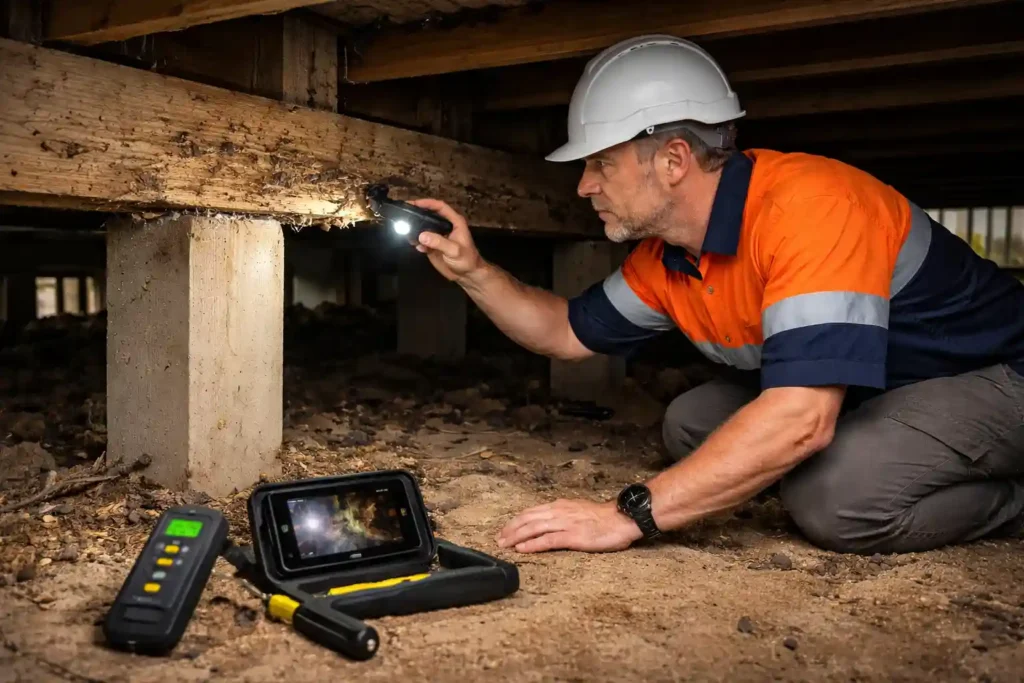
- Pest and Termite Damage: Given Rockhampton’s warmth and humidity, pests are a big deal. Inspectors look under floors and in roof voids for termite tubes, borer holes or rotten timbers. Even a bit of subterranean termite activity can undermine wood beams over time. (Pro tip: an annual pest control inspection often only costs a couple of hundred dollars, a small price compared to tens of thousands in termite repairs.)
- Safety Checks: This includes smoke alarms, ventilation, and asbestos. A safety home inspection component might flag missing smoke detectors or mouldy walls. For example, inspectors note if bathrooms or subfloors lack proper ventilation, which could spawn mould or decay.
- Services and Utilities: Though primarily structural, many inspectors also glance at pipes and wires. A thermal scan can spot an overheating switchboard, and basic functional tests on taps or lights ensure things actually work.
All these findings go into a detailed report. The goal: give you a clear picture of the home’s condition so you’re never caught off-guard. Think of it as turning those invisible problems into actionable insights before they blow up into giant messes.
Advanced Tools That Catch What You Can’t See
Rapid Building Inspections Rockhampton aren’t plain visual checks – they use high-tech gadgets. Imagine a doctor using X-rays on your house. During Rapid Building Inspections Rockhampton, inspectors combine advanced technology with on-site experience to uncover issues that remain invisible during normal property visits. Some key tools include:
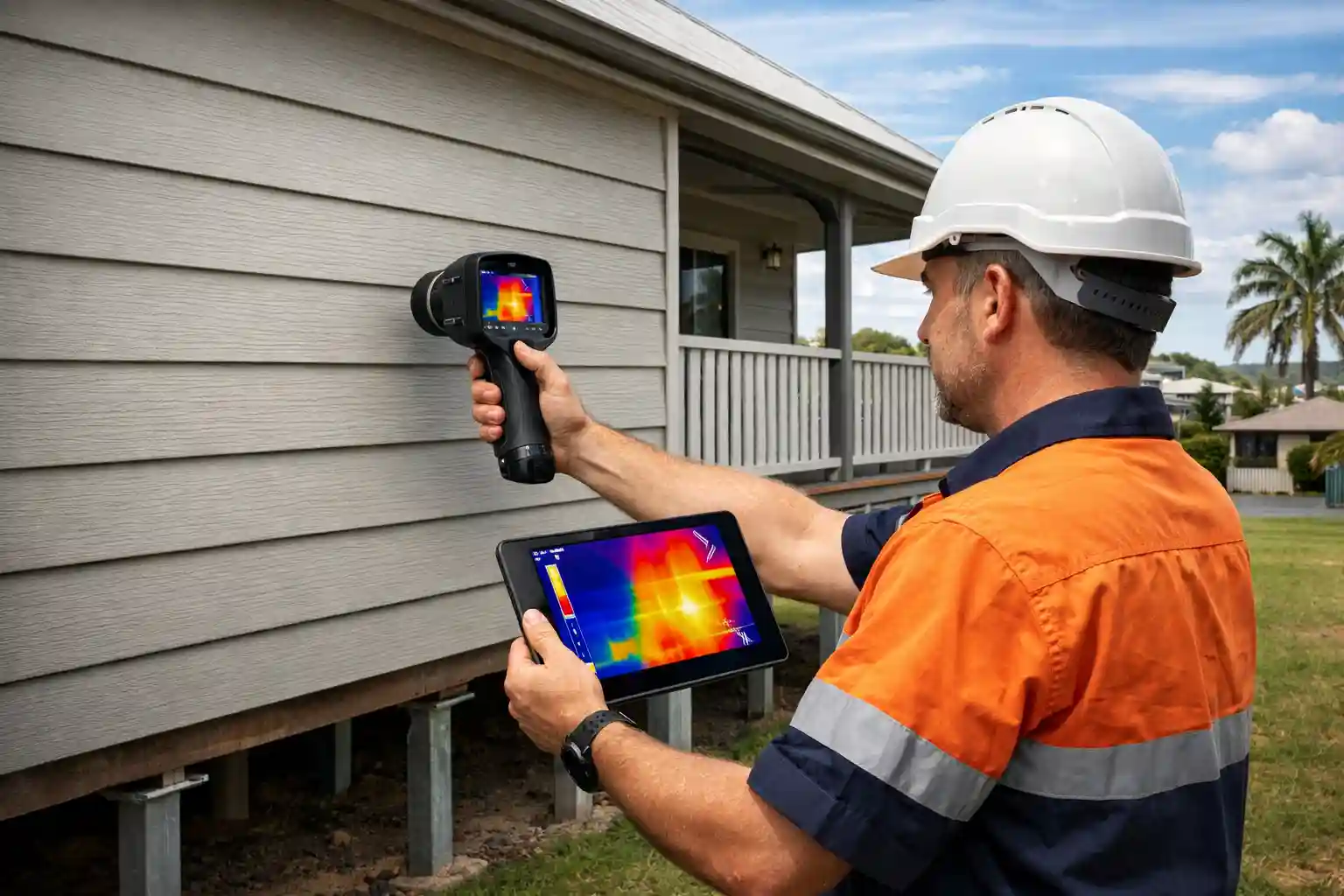
- Thermal Cameras: These special cameras see heat, not just light. Scanning walls with a thermal camera can show cold spots where water is hiding, or missing insulation that’s letting heat escape. In Rockhampton’s muggy weather, thermal scans are gold for spotting damp areas after a downpour. InspectMate, a Victorian firm, notes that thermal imaging “uncover[s] hidden leaks, heat loss, moisture intrusion” that you can’t see with your eyes. A photo from a thermal scan looks like a psychedelic heat map – bright yellows and greens mark trouble zones.
- Moisture Meters: These handheld meters can instantly measure dampness in walls or timber. If a beam has started to soak up water, the meter beeps. This is critical in high-humidity Rockhampton where hidden leaks can cause hidden rot in months.
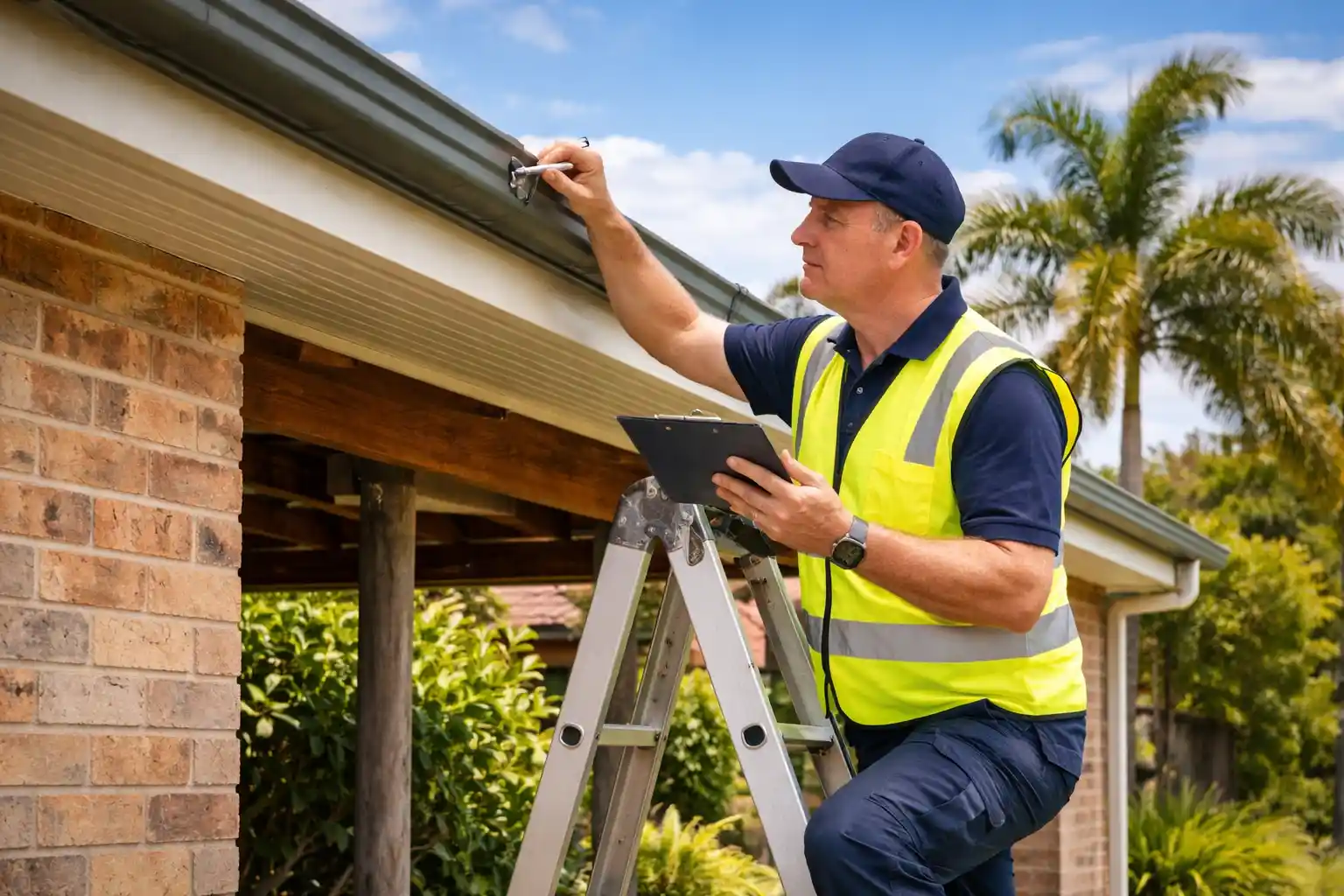
- Drones and Elevated Cameras: Climbing onto a high roof is risky and slow. Drones let inspectors photograph roofs and gutters safely. A high-res camera might find a slipped tile or rust on a gutter that’s about to fail.
- Borescopes/Cameras on Sticks: Tiny cameras on long poles or borescopes can peer under houses or into ceiling cavities. These catch termite tunnels or rodent nests without ripping open floors.
- Tape Measures and Level Tools: Old-school but handy. Rough measurements check that walls are straight and floors aren’t sloping oddly (a hint of foundation issues). Laser measures can detect very slight shifts over large spans.
- Computers and Apps: The inspector jots notes on a tablet. Advanced reporting software then generates a slick report with annotated photos (including any thermal images) usually within 24–48 hours.
In fact, it’s the combination of tech and know-how that makes rapid inspections so powerful. A Queensland inspector once likened it to giving your house an MRI – “seeing” inside walls and floors non-invasively. For example, a thermal scan image (like the one above) might look like abstract art, but to a trained eye it screams “there’s a serious leak behind that wall”.
This is exactly why Rapid Building Inspections Rockhampton are so effective. By blending these tools with experience (some inspectors have built houses themselves), certified building inspectors can catch problems long before wallpaper starts peeling or boards start sagging.
Rockhampton’s Risks: Why Regular Inspections Matter
Rockhampton isn’t Canberra or Hobart – it’s warm, wet and sometimes wild. That means unique threats. Because of these local conditions, Rapid Building Inspections help homeowners detect small structural problems before they quietly grow into expensive damage. In regions with high humidity and pests, early detection through Rapid Building Inspections can make a major difference in maintaining a safe and stable property.
- Termites Thrive: Central Queensland’s tropical climate is basically termite paradise. Warm, humid conditions mean pests can attack year-round. Even healthy homes often have termite shields and bait, but these need checking. One local termite expert warns that annual inspections are “vital” in Rockhampton because the climate is ideal for termite activity. Discovering tiny borer holes in a structural beam now can save tens of thousands later.
- Storm and Rain Damage: Summer downpours and cyclones (think Marcia in 2015) batter roofs and walls. Most modern houses survived Marcia well, but heavy rain can subtly loosen roof screws or flood underfloor spaces. After a storm, a rapid inspection can catch hidden water ingress, loose battens or cracked tiles before the next rainfall.
- High Humidity and Mould: A local mould-removal specialist points out that “Rockhampton’s tropical climate” poses extra challenges for damp and mould. If your subfloor or roof space is damp, timbers will decay faster and mould will grow. Rapid inspections often include moisture readings or checks for black mould patches, protecting both structure and indoor air quality.
- Older, Elevated Homes: Many Rockhampton homes are high-set Queenslanders on stumps, with timber frames. Wood sitting near soil can absorb moisture or termite eggs. Older rusted stumps or rotten rafters are common finds. A rapid inspector will note if timber posts are degraded or if little vents under the house are blocked (locking in moisture).
- Asbestos Hazards: Lots of older homes have fibrous asbestos sheets (Common in pre-1980 homes). Inspectors visually note any crumbly white sheeting. If asbestos is suspected, they’ll advise a specialist test. It’s an example of a safety inspection item – they’ll flag it for you to handle before it becomes a health risk.
In Rockhampton, a small problem can grow fast. Picture a bit of mould under your kitchen bench – if ignored, it could eventually wrinkle plaster and stink up a room. A good Rapid Building Inspection will spot that mould and maybe a hidden pipe leak causing it, long before you walk into a green, smelly surprise.
Detecting Issues: Common Finds and Prevention
In practice, these inspections find stuff. Homeowners are often shocked by the list of issues that get flagged. Common discoveries in Rockhampton include (with typical fixes):
- Termite or Wood Decay: Mud tubes on stumps, or rotted wall cavities. Fix is usually treatment or replacing damaged timber.
- Rising Damp or Leaky Tiles: Salt marks on walls or damp paint. If flagged early, you can re-seal tiles or improve drainage cheaply. If left late, it’s brick replacement or structural repair (much costlier).
- Cracked Foundations: Hairline cracks in slabs or concrete steps might just be dirt, or they could signal soil shifting. Inspectors mark them; if wide or moving, an engineer or repair is recommended.
- Faulty Wiring: An outdated fuse box or a dodgy switch discovered during an inspection can be fixed before it causes a fire or appliance failure.
- Blocked Gutters and Drainage: Often a simple fix (cleaning gutters), but if neglected can lead to subfloor floods or wall rot.
- Safety Violations: Missing smoke alarms, loose handrails, or unpainted asbestos eaves. These are noted so you can fix them and keep everyone safe.
Below is a quick summary table of hidden problems vs. how modern rapid inspections catch them:
| Hidden Issue | Rapid Inspection Technique |
|---|---|
| Water leaks / dampness | Thermal camera scan, moisture meter readings |
| Termite or pest damage | Visual checks, moisture probes, pest control tools |
| Cracked foundations | Visual inspection, level tools, soil drainage check |
| Unsafe wiring | Thermal camera for hotspots, electrical testing |
| Asbestos/mould | Visual identification, recommendations for tests |
| Roof defects (tiles) | Drone or roof camera inspection |
This table shows: the inspectors layer multiple approaches. For example, a thermal camera might hint at moisture, then a moisture meter zeroes in on exactly how wet it is.
Licensed Inspectors and Certification
With so much at stake, you want an expert at the helm. In Queensland, that means a licensed building inspector. Unlike some states, Queensland requires home inspectors to hold a QBCC licence for residential building inspections. That licence isn’t handed out easily – inspectors need relevant building experience and must follow AS 4349.1 standards for professional inspections.
So when you book a Rapid Building Inspections Rockhampton service, ask if they’re licensed and insured. Professionals conducting Rapid Building Inspections rely on industry standards and proper training to identify structural defects, moisture damage, and other hidden risks. A certified building inspector may also hold memberships with industry organisations such as Master Builders or HIA, which signals professional credibility. A reliable building inspection company will openly share their licence number and qualifications.
Many inspections today combine multiple checks. For example, you may see a “building + pest inspection” package where the building inspector reviews the structure while a licensed pest controller checks for termite activity. This approach allows Rapid Building Inspections to identify both structural issues and pest-related damage during the same visit.
For official information on inspection requirements, the Queensland Government provides a helpful resource. See the Business Queensland guide to building inspections This guide explains the safety and compliance checks expected during construction and property inspections. Rapid inspectors in Rockhampton generally follow the same principles when evaluating an existing home.
Preparing for Your Rapid Inspection
So, what can you do to help the process? Rapid inspections are usually arranged by buyers or owners. Here’s how to get ready:
- Clear Access: Ensure easy access to roof hatches, subfloor openings, electrical boxes and balconies. Move boxes if needed so the inspector can see walls or floor edges.
- Pet Plans: If you have a big or aggressive pet (like an overenthusiastic cattle dog), it’s easiest to secure it away from the inspection route. Safety first for both your pet and the inspector.
- Gather Docs: If available, provide any building plans, council approvals, or past inspection reports. They’re gold for context.
- Plan for 1–3 Hours: A typical pre-purchase rapid inspection might take a couple of hours for a house. The inspector will do a walk-around, under-house check, and roof check (via ladder or drone).
- Ask Questions: A good inspector will talk you through issues as they go (“Hey, see that beam? It’s bowing a little. You’ll see it in the report.”). Afterward, feel free to ask them to clarify anything – they’re the expert.
Once the inspection is done, you’ll get a report (often in PDF) with notes and photos. Many Rapid Building Inspections Rockhampton companies promise delivery in 24–48 hours. It’s a crucial document: use it to negotiate price or require fixes if you’re buying, or to plan renovations if you already own the place.
Conclusion: Protect Your Rockhampton Home
Hidden structural issues can turn a sunny day in Rockhampton into a rainy repair bill. That’s where Rapid Building Inspections Rockhampton shine. They bring together local expertise (inspector knows our climate and typical houses) with clever technology to find problems fast. The result? Peace of mind. You’ll know if that north-facing wall has damp beneath the surface, or if a colony of termites is quietly setting up camp under your floor joists.
Knowledge is power (and savings). Think of a rapid inspection as an investment: a few hundred dollars could save tens of thousands later. Book a licensed inspector and stay on top of your home’s health. After all, as any savvy Rockhampton homeowner will tell you: If you snooze, you lose – especially when termites or leaks are involved!
Each Rockhampton home is unique, but hidden issues are all too common in our tropical city. Rapid building inspections bring them into the light so you can keep your home safe, sound and standing tall. Stay ahead of problems – you’ll sleep better knowing everything’s been checked!
FAQs
1. What exactly is a rapid building inspection?
A rapid building inspection is a quick-turnaround property check by a certified inspector, using tools like thermal cameras to spot hidden defects (moisture, structural issues, pests) before they become costly problems.
2. Do I need a licensed building inspector in Rockhampton?
Yes. In Queensland, building inspectors conducting pre-purchase or condition checks must hold a QBCC licence and follow AS 4349.1 standards. Always hire a licensed/certified building inspection company for legal protection and thoroughness.
3. Does a rapid inspection include pest control?
Sometimes. Many services offer combined building and pest inspections. A building inspector looks at structure, and a pest technician checks for termites and other wood pests. If termites are a concern, make sure a certified pest control inspection is part of the package.
4. How often should I inspect my home?
In Rockhampton’s climate, an annual inspection (particularly a pest/termite check) is wise. Storm season or buying/selling triggers a new inspection. At minimum, check your roof, gutters and underfloor yearly and call an inspector if you suspect an issue.
5. How long does a rapid building inspection take?
Typically 2–3 hours for an average house. The inspector will examine all accessible areas (roof, subfloor, etc.) and use gadgets for hidden checks. You’ll get a report within 24–48 hours after the inspection, thanks to the “rapid” service promise.