Rockhampton’s hot, humid climate isn’t just tough on sweating – it’s a dream come true for pests. Whether you own a café on the Fitzroy River or run an office downtown, uninvited critters love warm Queensland weather.
As a business owner, you juggle a million tasks, but skipping regular pest control inspections can let termites, rodents, cockroaches, and mosquitoes quietly sabotage your success. Routine Pest Control Inspections spot hidden infestations early, protect food and customers, and save
you from major headaches (and possible fines) later. In short, keeping pests at bay is as essential to your business as keeping the coffee machine clean or the pool fence certified. Let’s dive into why every Rockhampton enterprise needs a proactive pest inspection plan.
Rockhampton’s Climate: A Prime Pest Habitat
With the tropical climate, pests can proliferate all year round at Rockhampton. Insects like mosquitoes, ants, spiders, ticks, and termites can grow and multiply quickly in warm weather, high rainfall, and humidity above 70%. Under these circumstances, Pest Control Inspections are extremely important to detect early signs of pest infestations before a problem arises.
After storms, warm weather can quickly bring about a surge in mosquito activity around homes and businesses. Frequent Pest Control Inspections can identify concealed breeding sites, moisture issues, and entry points that can facilitate the growth of pests.
Another major problem in Central Queensland is termites. When multiple pests exist in the same wood, these destructive pests can be a silent threat, damaging timber structures in only a few months. Professional Pest Control Inspections can detect termites at an early stage, saving property from costly structural repairs and damage.
The hot and humid climate favors the growth of pests, and it is better to prevent them than to wait for a big infestation. Regularly scheduled Pest Control Inspections can help maintain a property to have a safer, cleaner, healthier environment, and will keep pests from spreading throughout the property.
Save Money with Regular Pest Control Inspections in Rockhampton
| Pest Problem | Potential Risks | How Pest Control Inspections Help |
| Termites | Structural timber damage, costly repairs, weakened buildings | Early detection of termite activity prevents major structural damage |
| Rodents | Spread bacteria, contaminate food, damage electrical wiring | Identifies nests, droppings, and entry points before infestations grow |
| Cockroaches | Food contamination, hygiene violations, customer complaints | Detects breeding areas and reduces health and safety risks |
| Mosquitoes | Breeding in standing water, potential disease risks | Finds water collection areas and helps reduce mosquito activity |
| Spiders & Insects | Uncomfortable environments, contamination, and property damage | Locates hiding spots and blocks pest entry points |
| Lack of Inspections | Expensive repairs, fines, and reputation damage | Routine inspections help prevent long-term business losses |
Common Pests Threatening Rockhampton Businesses
Rockhampton businesses face a lineup of local pests that can damage property, health, and reputation. Here are some to watch for:
Termites
Termites are one of the most destructive pests in Central Queensland, thriving in warm and damp soil conditions. They can silently damage timber structures, flooring, and even pipes within months if left untreated. Regular Pest Control Inspections help detect termite activity early, preventing costly structural repairs and protecting properties from long-term damage.
Rodents (Rats and Mice)
Rats and mice are attracted to food waste, storage areas, and hidden spaces inside buildings. They spread harmful bacteria through droppings and urine while also damaging wiring and insulation. Routine Pest Control Inspections help identify nests, entry points, and signs of rodent activity before infestations become a serious health and safety issue.
Cockroaches
Cockroaches thrive in warm kitchens, drains, and food preparation areas where moisture and food are available. These pests can spread bacteria and contaminate surfaces, creating major hygiene concerns for homes and businesses. Professional Pest Control Inspections help locate breeding areas and reduce the risk of food contamination and pest-related health issues.
Mosquitoes
Mosquitoes breed rapidly in standing water around properties, especially during Rockhampton’s humid and rainy seasons. Besides being a nuisance, they may also carry diseases such as Ross River virus. Regular Pest Control Inspections help identify water collection areas and reduce mosquito breeding sites around homes and commercial spaces.
Spiders and Other Insects
Spiders, ants, silverfish, fleas, and other insects often enter buildings searching for shelter, food, and moisture. While some are harmless, larger infestations can create discomfort and hygiene concerns. Ongoing Pest Control Inspections help detect entry points, nesting areas, and early infestation signs to keep properties safer and cleaner.
The High Cost of Skipping Inspections
It may be tempting to skip a pest inspection and save money – until things go wrong. Neglecting pest control inspections can lead to multiple hidden costs:
- Health and food safety risks: Pests contaminate surfaces and food. For example, rodents leave droppings everywhere they travel and might gnaw through packaging. Cockroaches or rats in a café kitchen can cause food poisoning. Q
- Regulatory fines and business shutdowns: Australia’s food safety regulations (Food Standards Code) require clean, pest-free premises. Breaching these can result in fines or closure orders. A Rentokil industry guide notes that non-compliance “can lead to severe penalties, including fines, operational shutdowns, and loss of business licenses”.
- Structural and property damage: Termites and rodents cause expensive damage. Aside from eating timber, termites even tunnel through brick mortar and insulation. And as WA Health notes, rats can chew wires, sometimes causing electrical short-circuits or fires. Repairing structural damage from an unchecked infestation easily costs thousands.
- Brand and reputation hit: Imagine a customer finding a roach in your shop or online reviews mentioning “rats in the kitchen.” It only takes one social media post to scare off new clients. Maintaining a spotless image means no nasty surprises. Regular inspections are a proactive reassurance: staff and customers know you prioritize cleanliness and safety.
- Hidden costs of DIY or reactive pest control: Some managers delay until they see pests and then try over-the-counter sprays. This often only temporarily kills visible bugs; nests remain. Professional inspections identify root causes (like a nest behind a wall) and use safe, approved measures. The return on inspection is the prevention of those recurring issues.
In short, a few routine inspections – even costing a couple of hundred dollars each – can prevent catastrophes costing thousands. The Australian Survey of pest control treatment costs across the country is already huge. Don’t let your Rockhampton shop or warehouse become part of that statistic.
What Happens During a Pest Control Inspection
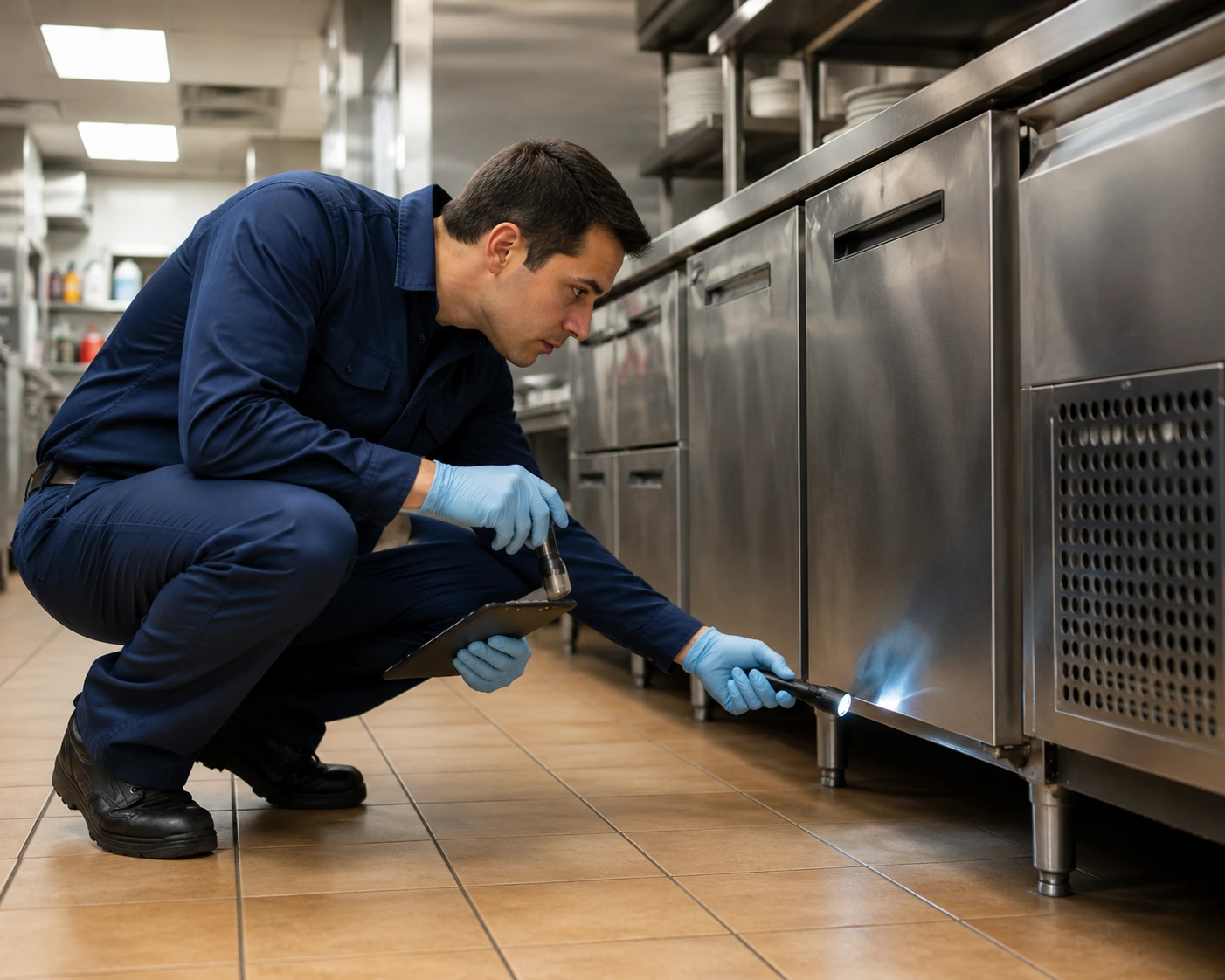
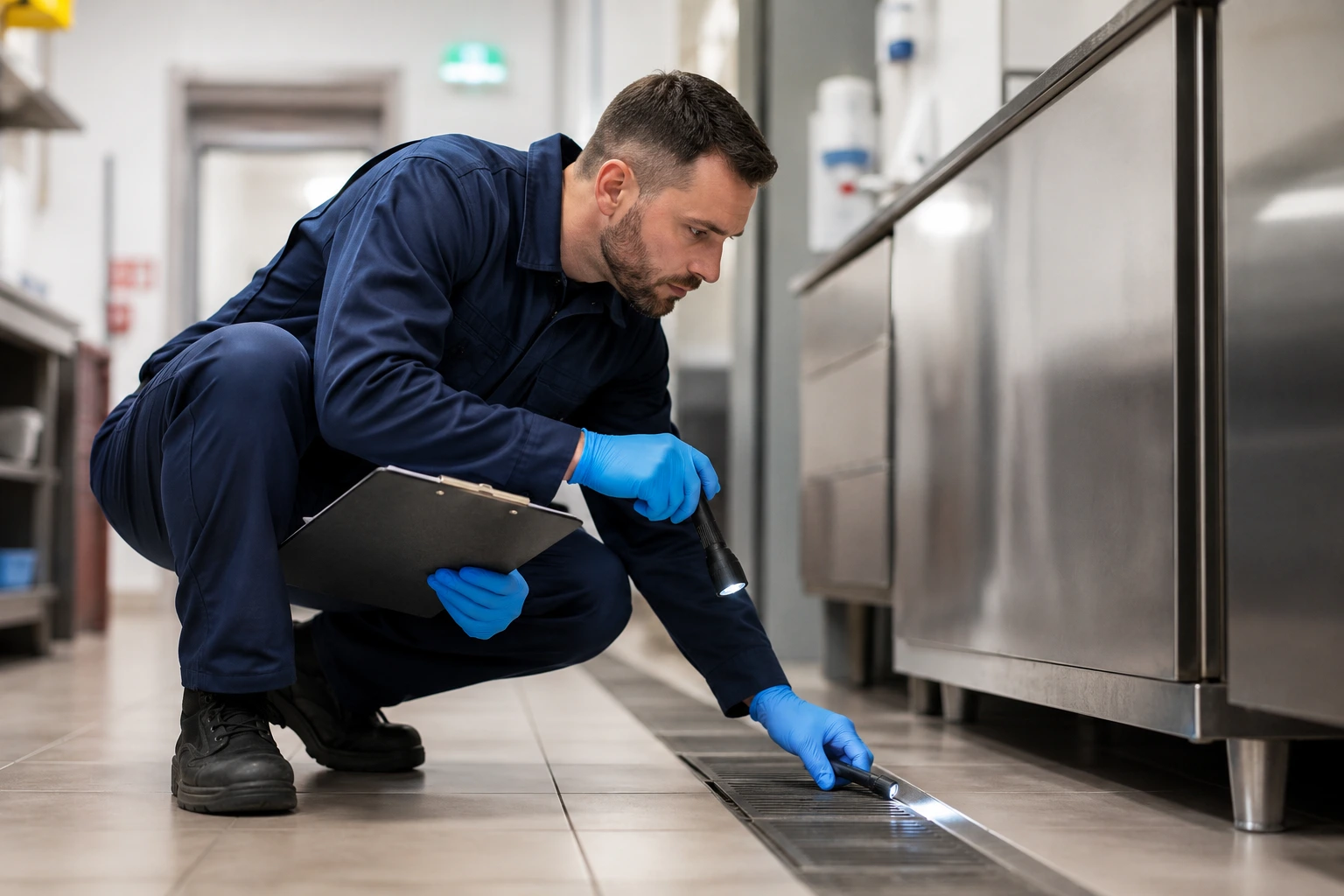
A licensed pest control technician acts like a detective for pests. When we conduct a commercial pest inspection, here’s what you can expect:
- Thorough Property Inspection
Professional Pest Control Inspections involve checking every part of the property, including kitchens, offices, storerooms, roof spaces, basements, and ventilation systems. Inspectors use specialised tools such as torches and moisture meters to identify hidden pest activity in dark or hard-to-reach areas. - Identifying Signs of Pest Activity
During Pest Control Inspections, experts look for common warning signs such as droppings, nesting materials, chew marks, grease trails, termite mud tubes, and damaged timber. Detecting these early signs helps prevent infestations from spreading throughout the property. - Accurate Pest Identification
Different pests require different treatment methods, which is why proper identification is essential. Inspectors determine whether the issue involves termites, rodents, ants, cockroaches, or other pests so they can recommend the most effective and targeted pest control solution. - Assessing Conditions That Attract Pests
Inspectors also check for factors that encourage pest activity, including standing water, overflowing bins, food waste, moisture problems, wood piles, and cluttered storage areas. Removing these attractants is an important step in reducing future infestations. - Detailed Reporting and Recommendations
After completing Pest Control Inspections, professionals provide a detailed report outlining pest findings, affected areas, photos of damage, and recommended treatments. These records are especially useful for businesses that need to maintain hygiene and compliance standards.
By covering every nook and cranny, an inspection can uncover sneaky problems before they blow up. It’s a bit like a mini health check for your building: catching “high blood pressure” (infestation) before a stroke.
Regular Inspections: Prevention Over Cure
Getting regular pest control inspections isn’t just a cost – it’s an investment. Think of it like regular health check-ups. By scheduling inspections every few months, you’ll gain:
Early Detection and Elimination: Discovering just a few termites or one mouse nest early means you can treat locally and avoid a full-scale invasion. For instance, setting up a termite bait station after spotting a swarm member can eliminate an entire colony before it does serious damage.
Customized Prevention Plan: After inspecting, technicians often advise simple fixes: maybe sealing a gap under a door, trimming foliage away from walls, or repairing a leaky pipe. These actions alone can deter pests. We partner with clients on a tailored pest management plan, so it’s not “one-size-fits-all” – it’s what your Rockhampton property needs.
Peace of Mind and Professional Documentation: With documented inspections on file, you and your team know the premises are being looked after. This also covers you for audits. If regulators ask, you can show evidence (dates, findings, treatments done). Having professionals involved sends a message to staff and customers: “We care about safety and quality here.”
Cost Savings: Regular small treatments cost less than emergency eradications. If an inspector spots termites early, one baiting treatment is much cheaper than rebuilding floors. If we catch a rodent issue early, setting a few traps costs less than fumigating a warehouse or restocking chewed inventory.
Safety and Compliance: We always use safe, approved methods. Professional pest control means no illegal pesticides lurking, and we minimize risks to people and pets. The right chemicals are used in the right places, exactly as Queensland regulations require. This also ties into OHS obligations – a pest-free workplace is a safer workplace.
In practice, inspection frequency might look like: a restaurant gets a quick check every 3 months and spot treatments as needed, a school inspects twice a year, and an office does a full check yearly.
Conclusion
In Rockhampton’s tropical environment, pests are not a “maybe” – they’re a given. The best defense for any business is regular pest control inspections. We’ve covered how termites can quietly destroy structures, rodents contaminate and gnaw, and cockroaches threaten food safety.
On top of that, if your Rockhampton business has a pool, remember that pool safety inspections are a legal duty and indirectly tie into pest control (standing water breeds mosquitoes). Combining pest control with pool maintenance means a safer, healthier environment for everyone.
Ready to protect your Rockhampton business? Contact C & W Services for expert Pest Control Inspection and Pool Safety Inspection services. Our licensed technicians know exactly what to look for, from termite tunnels to faulty pool gates.
We provide friendly, thorough inspections and clear action plans. Don’t wait until pests crash your party or a safety glitch hits the news Reaching out today and sleep easy knowing your premises are compliant, clean and pest-free.
FAQs:
What is included in a commercial pest control inspection?
A typical inspection covers every vulnerable area of your premises. A technician will examine kitchens, storerooms, offices, air ducts, roofs, and surrounds. After the visual survey, they explain findings and recommend treatments or fixes. You’ll get a report noting any pests found and steps taken, plus advice on follow-up inspections.
How often should Rockhampton businesses have pest inspections?
It depends on your industry and risk factors. A good rule is: inspect before the peak pest season (in our region, spring and late summer), and then at least once more a year. Your pest controller will usually recommend a schedule based on what’s found.
What can pest control inspections discover?
Inspections often catch problems you wouldn’t notice. For example, termite damage often starts inside walls, out of sight. A technician can spot early signs like tiny mud tubes on concrete or hollow-sounding wood. The inspector then treats the specific problem and advises on prevention, so it doesn’t return.
Are Pest Control Inspections Necessary for Rockhampton Businesses?
Yes, regular Pest Control Inspections in Rockhampton are essential because the region’s warm and humid climate allows pests to thrive year-round. Routine inspections help businesses detect termites, rodents, cockroaches, and other pests early before they cause costly property damage, health risks, or compliance issues.